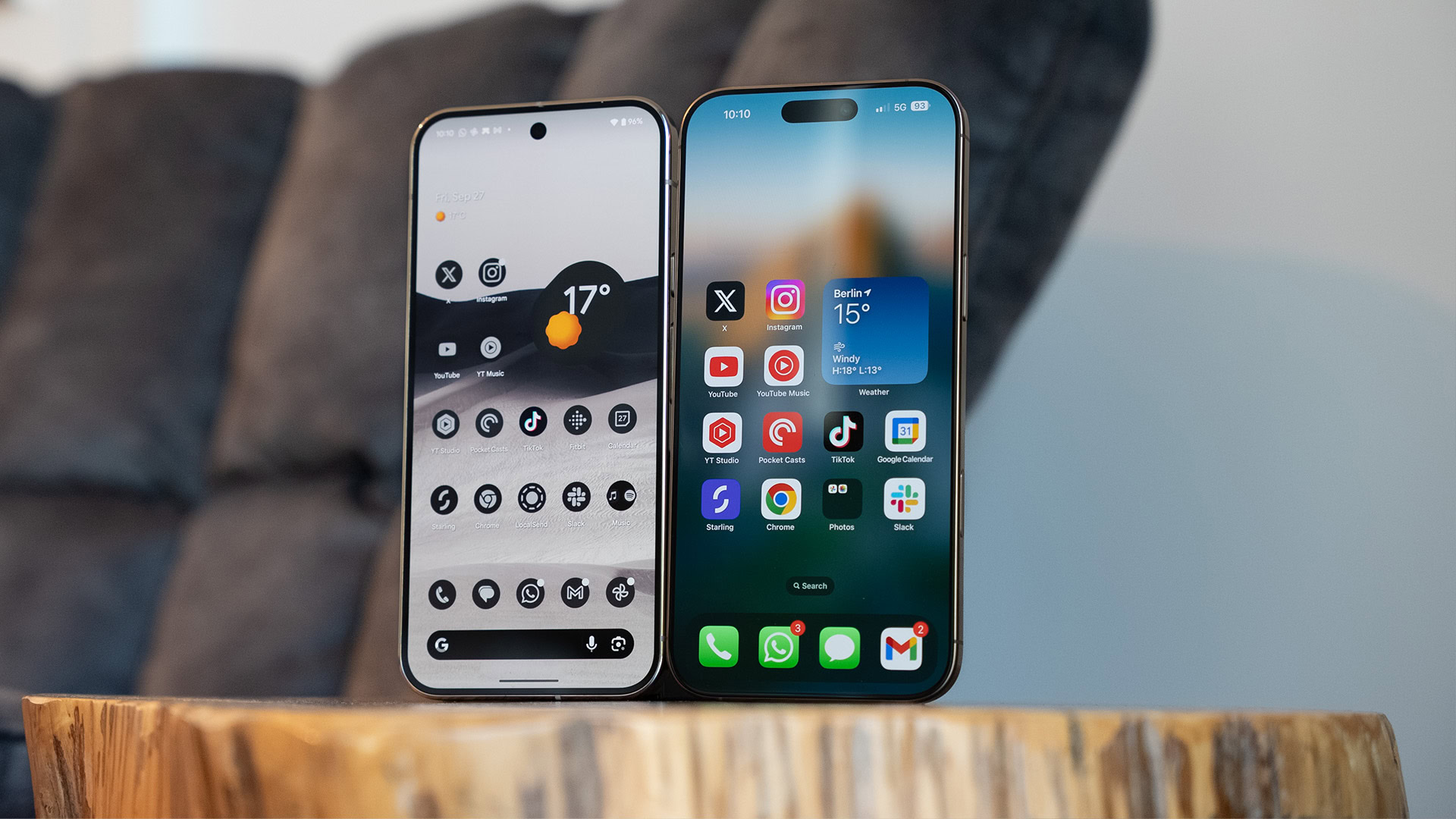
Why I’m Sick of Android Phones That Look Like iPhones
Remember when buying a new Android phone felt like an adventure? You had wildly different form factors, unique materials, and features that actually distinguished one brand from another. Fast forward to today, and walking into a mobile carrier store feels like stepping into a hall of mirrors. Whether it’s the latest flagship from Samsung, Google, Xiaomi, or Oppo, they all seem to be converging into a single, monotonous slab of glass and aluminum. It is becoming increasingly difficult to tell the difference between a high-end Android and an iPhone, and quite frankly, I am sick of it.
The Great Homogenization of Design
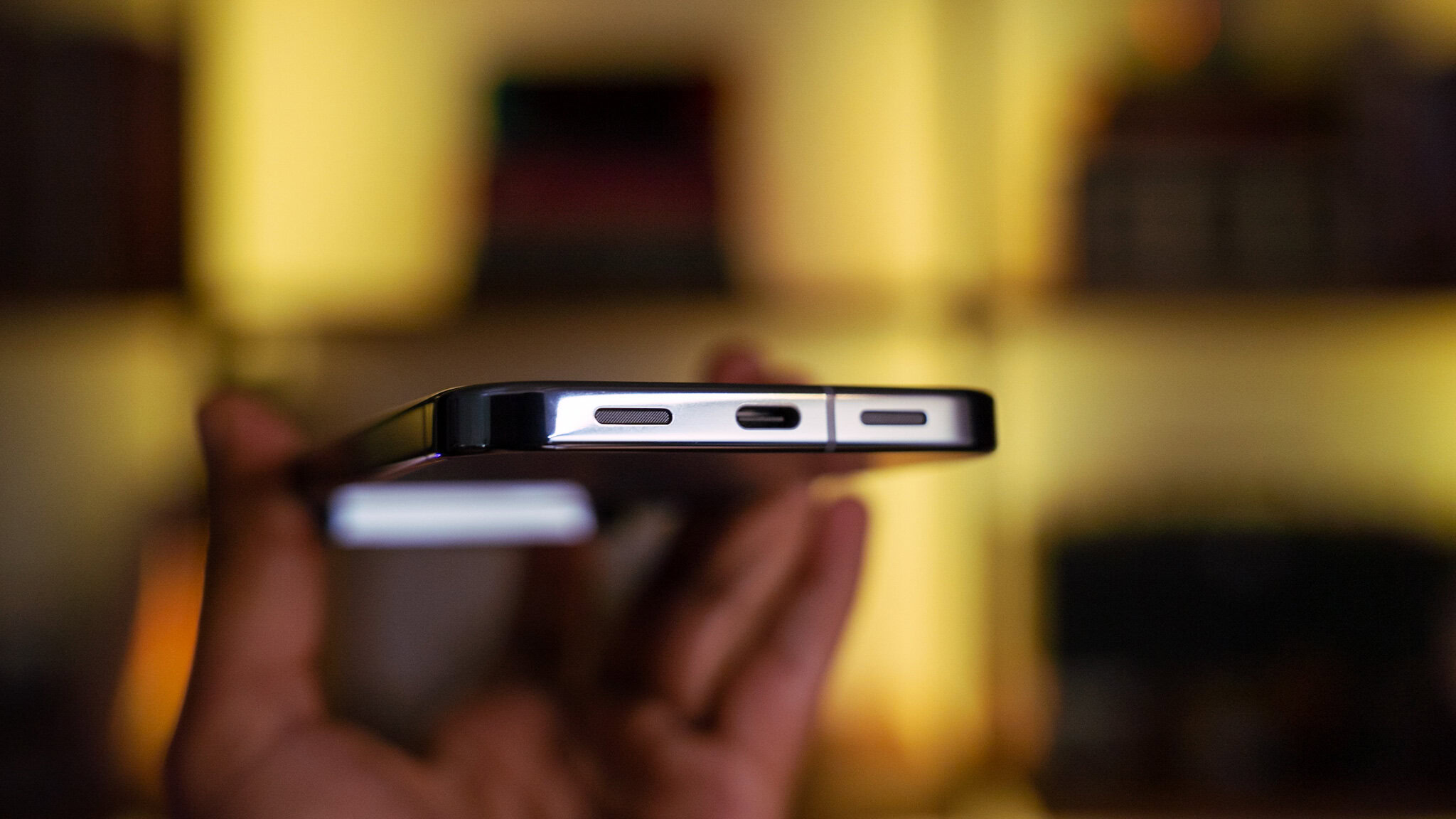
For years, Android manufacturers prided themselves on being different from Apple. While Apple stuck to small screens and distinct industrial designs, Android OEMs experimented with curved edges, massive cameras, and vibrant colors. But somewhere along the line, the industry lost its nerve. The “me-too” design philosophy has taken over, driven by a fear that if a phone doesn’t look like an iPhone, it won’t sell like an iPhone.
This isn’t just about flat edges; it is about the entire silhouette. We have seen a massive shift toward:
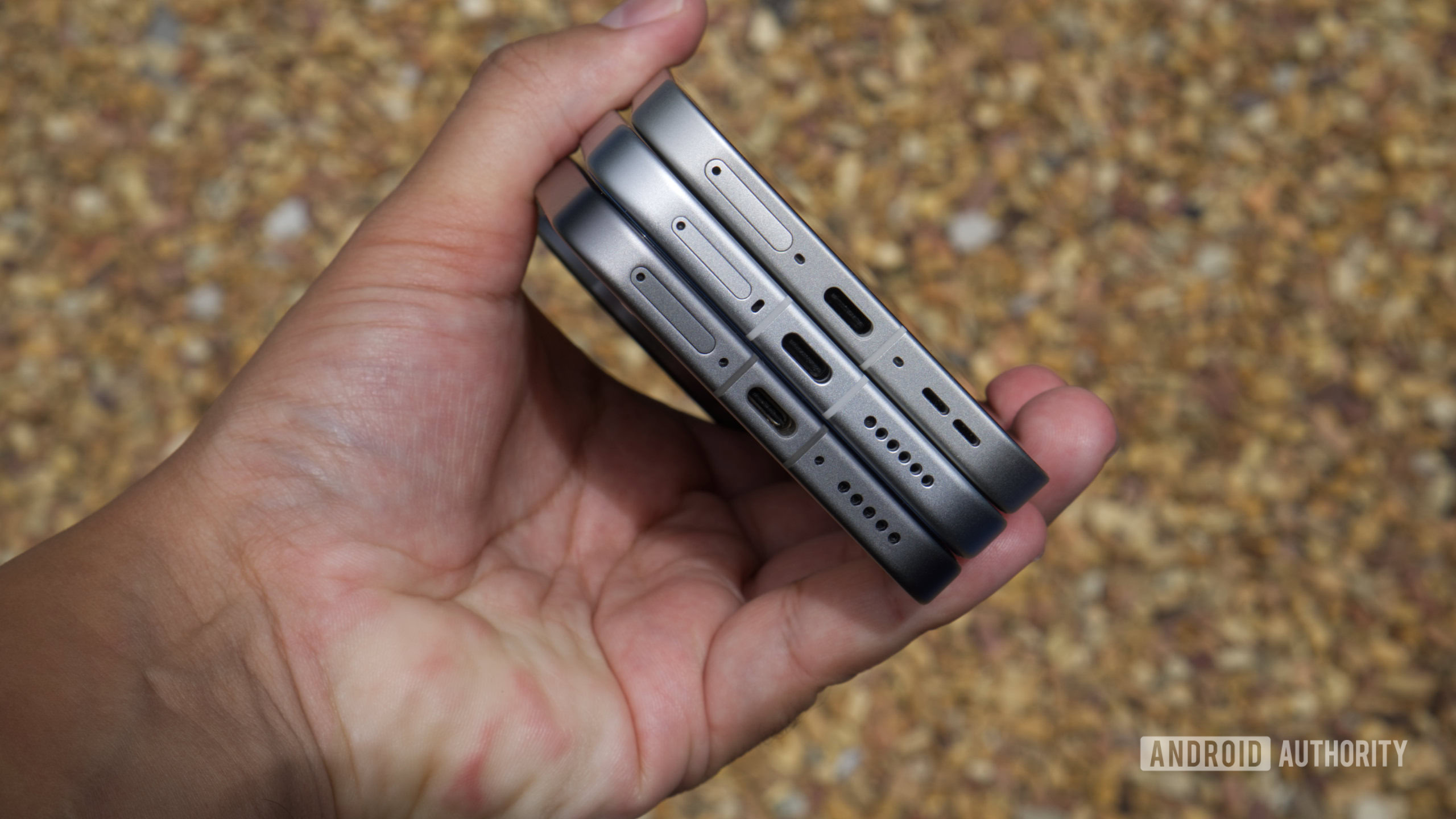
- Flat-sided chassis: Once a hallmark of Sony devices and the iPhone 4, now everyone uses it.
- Periscope camera bumps: Large, rectangular protrusions on the back that mimic the “island” design language popularized by Apple.
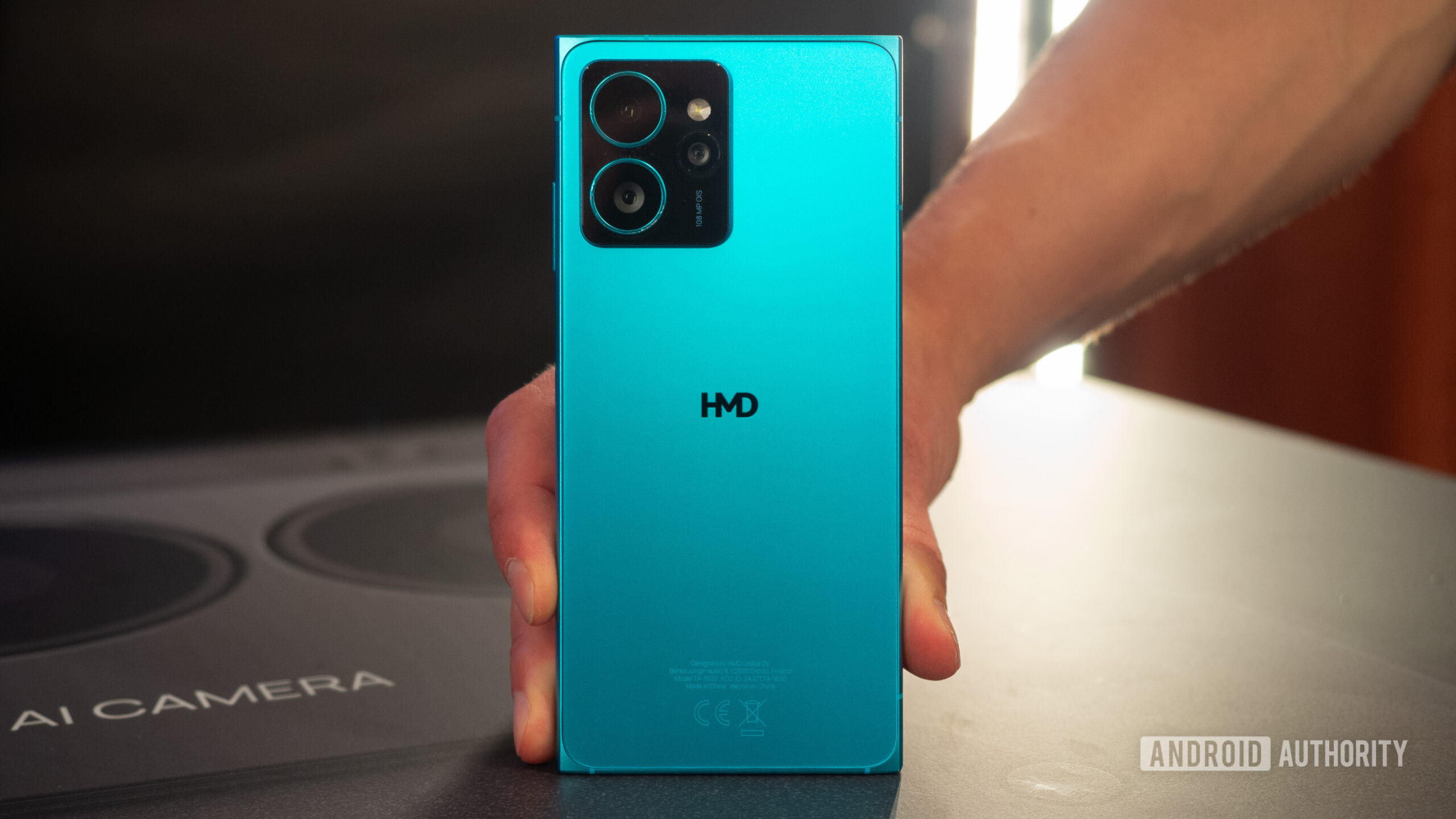
- Uniform color palettes: We are trading fun gradients for “Titanium Gray,” “Midnight Black,” and “Silver.”
The Death of Curved Screens and Character
One of the biggest losses in this design copy-paste era is the curved display. For a while, it seemed like every flagship Samsung, Huawei, or Xiaomi phone had edges that cascaded down the side like a waterfall. Whether you loved them or hated them, they were distinct. They felt futuristic and immersive in a way that a flat slab of glass never could.
Now, curved screens are practically extinct in the flagship space because Apple never adopted them. The argument is that flat screens are more practical for accidental touches and cases, but that ignores the fact that design is also about emotion. By chasing the “safe” flat design, Android phones have lost a significant amount of their tactile personality. They feel less like premium pieces of jewelry and more like utilitarian tools.
Why Originality Matters for the Consumer
You might ask, “Does it really matter if they look the same as long as the specs are good?” The answer is yes. When every phone looks identical, innovation stagnates. If the only differentiator is the software skin, manufacturers stop pushing the envelope on hardware engineering. We end up in a cycle where the only “upgrades” are slightly faster processors or marginally better cameras, wrapped in the exact same chassis as the year before.
Furthermore, Android is supposed to be about choice. The beauty of the ecosystem was that if you didn’t like the way one phone looked or felt, you had a dozen other alternatives. Now, if you want a top-tier processor, you are forced into a form factor that is essentially a clone of the competition. It stifles creativity and makes the tech landscape boring for enthusiasts who crave variety.
We Need the “Weird” Phones Back
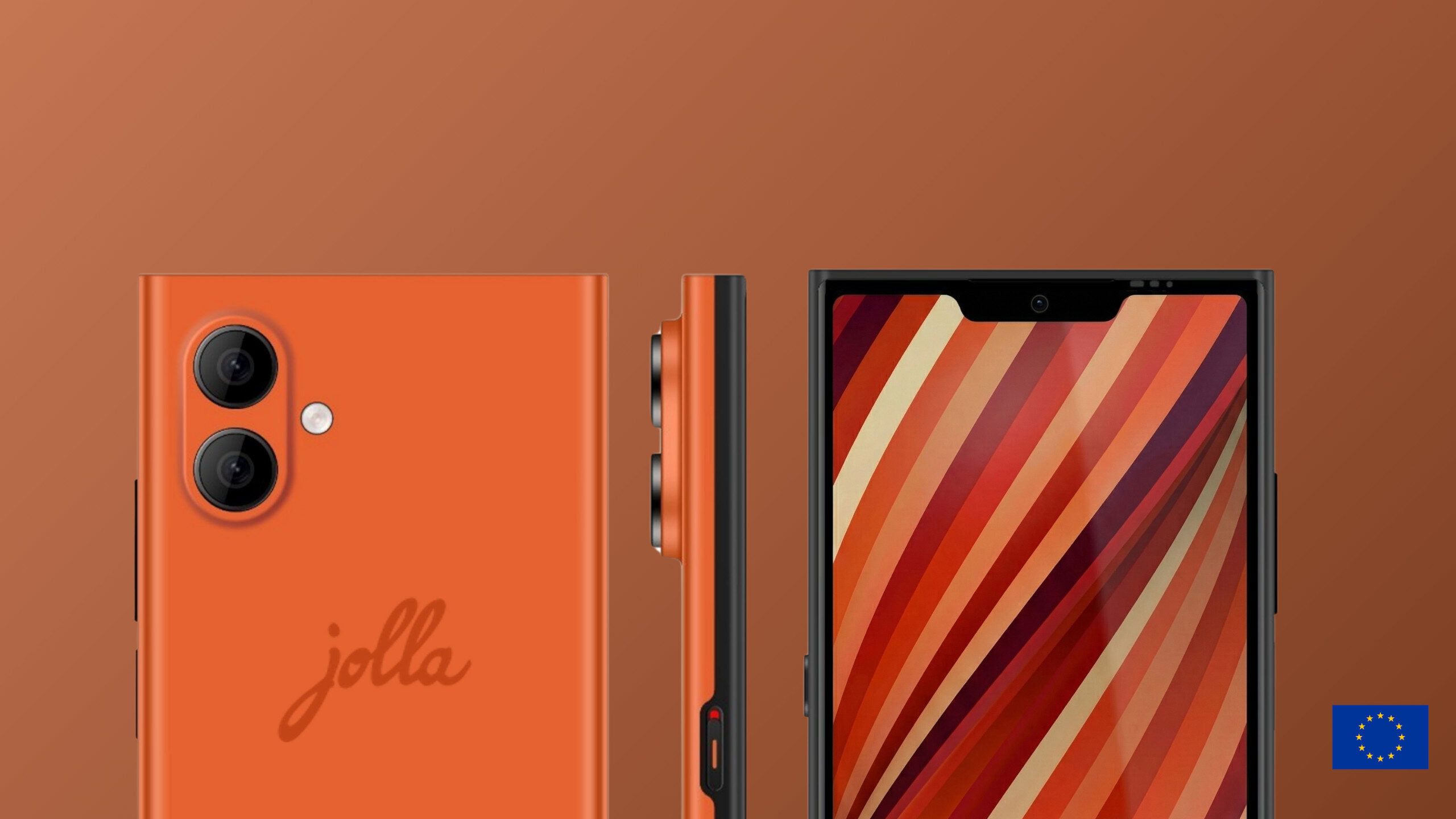
I find myself longing for the days of “weird” phones. I miss the modular concepts of the past, the dual-screen folding experiments, and the phones that weren’t afraid to be bright orange or moss green. While foldables are currently carrying the torch for innovation, they remain niche products. The mainstream market is drowning in a sea of sameness.
There are glimmers of hope—companies like Nothing are trying to break the mold with transparent designs and glyph interfaces—but they are few and far between. The major players need to stop looking at Cupertino for inspiration and start looking at their own archives. They need to remember that Android users chose this platform because it offered something different.
Conclusion
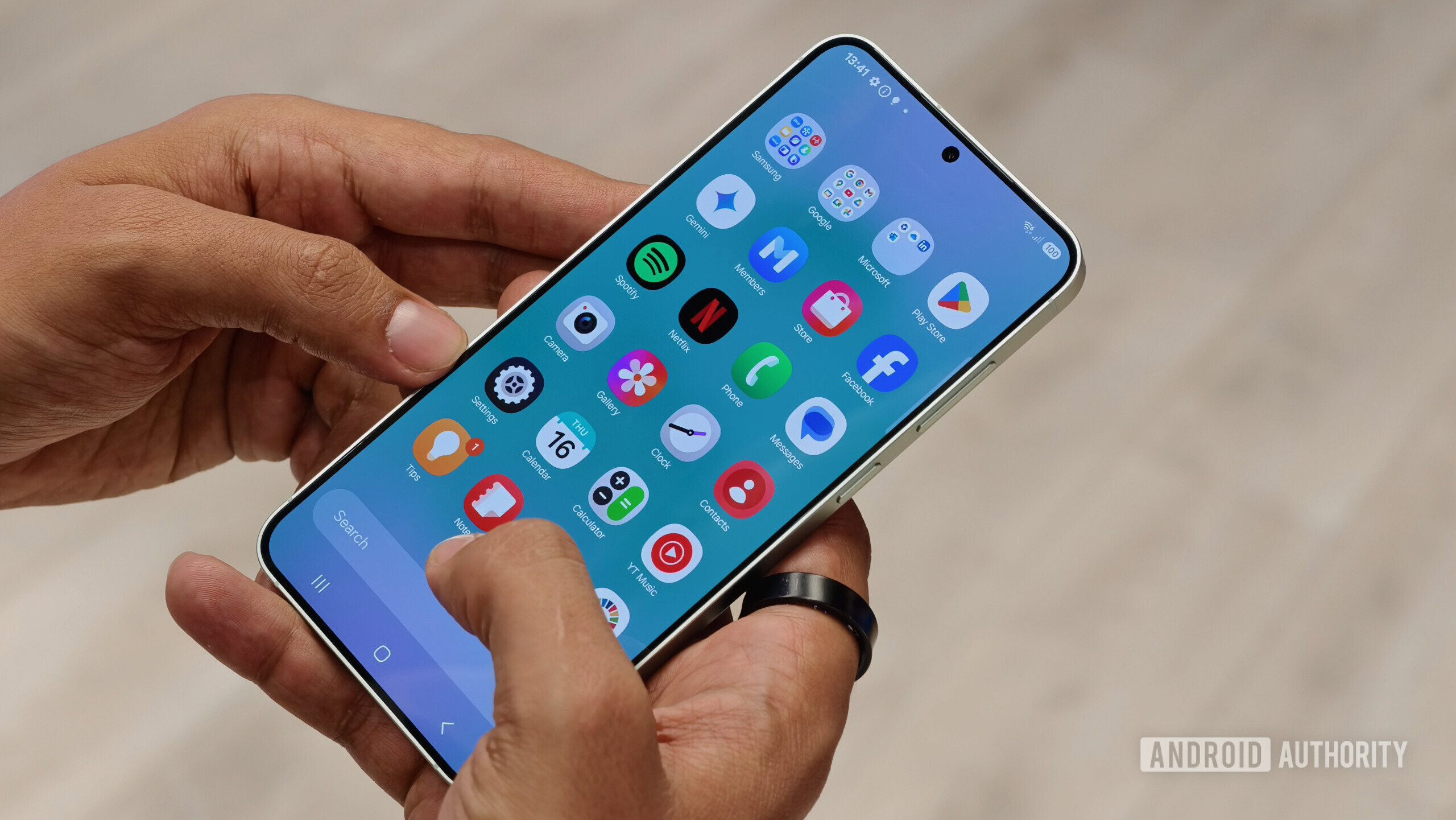
Ultimately, imitation may be the sincerest form of flattery, but in the tech world, it is just lazy. I am tired of unboxing a new Android flagship and feeling like I’ve already held it a thousand times in the Apple store. We need Android manufacturers to take risks again. Give us curves, give us crazy materials, and give us colors that pop. Stop trying to build a better iPhone, and start building a better Android. Until then, the smartphone industry will remain stuck in a loop of uninspired monotony.
Source: insidertechno.com


