Home Blog Page 92

Unveiling Surfshack’s Cutting-Edge AI Safety Suit: Unmatched Cyber Security Insights Await!

Unveiling Surfshack’s Cutting-Edge AI Safety Suit: Unmatched Cyber Security Insights Await!

Unveiling Surfshack’s Cutting-Edge AI Safety Suit: Unmatched Cyber Security Insights Await!

Key Takeaways:

  • The Surfshack AI Safety Suit provides unrivaled cyber security insights.
  • Designed with cutting-edge technology, it ensures optimal protection for businesses and individuals.
  • This advanced solution empowers users to mitigate potential risks and safeguard their digital assets.
  • In an increasingly interconnected world where cyber threats loom, Surfshack introduces its revolutionary AI Safety Suit, equipped with the most innovative features to combat these risks head-on. Leveraging state-of-the-art technology, this next-generation solution provides unmatched cyber security insights for businesses and individuals alike. Let’s dive into the extraordinary capabilities of Surfshack’s cutting-edge AI Safety Suit and explore the extensive benefits it offers.

    Unmatched Cyber Security Insights

    The Surfshack AI Safety Suit is designed to empower users with comprehensive cyber security insights, allowing them to stay one step ahead of potential threats. Its advanced AI algorithms continuously analyze vast amounts of data, detecting and mitigating risks in real-time. By monitoring network traffic, user behavior, and other key indicators, the safety suit identifies anomalies and suspicious activities that may indicate a breach or an attempted cyber attack.

    Through intelligent data analysis, Surfshack’s AI Safety Suit can pinpoint vulnerabilities and provide powerful recommendations to enhance the overall security posture. With this invaluable information at hand, businesses can proactively strengthen their defense systems and ensure the utmost protection for their sensitive data and digital infrastructure.

    The Cutting-Edge Technology Behind It

    Surfshack’s AI Safety Suit stands at the forefront of technological innovation, incorporating cutting-edge capabilities to combat emerging cyber threats. Powered by machine learning algorithms, this advanced solution adapts and evolves alongside the evolving threat landscape.

    Utilizing Natural Language Processing (NLP), the safety suit evaluates textual data across various channels, including emails, chat logs, and social media platforms. By analyzing linguistic patterns, sentiment, and context, it identifies potentially malicious intent and prevents devastating consequences before they occur.

    To protect against more sophisticated threats, Surfshack’s AI Safety Suit also encompasses powerful deep learning mechanisms. These deep neural networks effectively recognize patterns and anomalies within complex datasets, reducing false positives and enhancing precision. By continuously learning from new data, the safety suit gains a deeper understanding of evolving malicious tactics and can respond accordingly.

    Comprehensive Cyber Security Features

    Surfshack’s AI Safety Suit comprises a myriad of features meticulously designed to address the multifaceted nature of cyber security challenges. While various solutions focus on singular aspects of protection, this comprehensive suit tackles an extensive range of vulnerabilities that individuals and businesses face in today’s digital landscape.

    Data Leakage Prevention

    One of the significant concerns in cyber security revolves around the potential leakage of sensitive data. Surfshack’s AI Safety Suit employs advanced encryption techniques, thereby ensuring the secure transmission and storage of confidential information. From financial records to user credentials, all data is safeguarded against unauthorized access, bolstering overall data privacy and integrity.

    Endpoint Security

    Recognizing the increasing prevalence of remote work and the vulnerability it poses, the Surfshack AI Safety Suit offers superior endpoint security. By monitoring and verifying connected devices, the solution mitigates risks arising from unsecured or compromised endpoints. This proactive approach prevents unauthorized access and malicious activities from proliferating through the corporate network.

    Behavioral Analytics

    Within the vast ocean of network traffic and user behavior, Surfshack’s AI Safety Suit excels at identifying patterns and anomalies. Through advanced behavioral analytics, the safety suit recognizes deviations from established patterns within an organization’s network, rapidly alerting administrators to potential security breaches. This enables swift response and ultimately minimizes damage in the event of an attack.

    FAQs

    Q: How does Surfshack’s AI Safety Suit keep up with new and emerging threats?
    A: Surfshack’s AI Safety Suit utilizes machine learning and deep neural networks to continually adapt and evolve in response to new and emerging threats. By constantly learning from real-time data, the safety suit stays at the forefront of cyber security.
    Q: Can Surfshack’s AI Safety Suit integrate with existing security solutions?
    A: Absolutely! Surfshack’s AI Safety Suit is designed to seamlessly integrate with existing security infrastructures, leveraging its advanced capabilities to enhance overall protection.
    Q: Can individuals benefit from Surfshack’s AI Safety Suit, or is it exclusively for businesses?
    A: Surfshack’s AI Safety Suit caters to both businesses and individuals. Its adaptable nature ensures personalized cyber security insights and protection, regardless of the user’s profile.

    Conclusion

    In a world where cyber threats are constantly evolving, Surfshack’s AI Safety Suit emerges as an unparalleled solution, providing unmatched cyber security insights and protection. Through its advanced technology, comprehensive features, and continuous adaptation to emerging threats, this cutting-edge solution empowers businesses and individuals alike to fortify their digital defenses effectively.

    Let Surfshack’s AI Safety Suit be your shield in the digital realm, ensuring the utmost security and peace of mind.

    Source: insidertechno.com

    Step into the Future: Top Smart Thermostats of 2024, Recommended by Experts

    Step into the Future: Top Smart Thermostats of 2024, Recommended by Experts

    Step into the Future: The Best Smart Thermostats of 2024, Recommended by Experts

    Key Takeaways:

  • Discover the top smart thermostats of 2024.
  • Learn about the features and benefits these smart thermostats offer.
  • Find expert recommendations for the best smart thermostats to enhance your home.
  • Imagine stepping into your home and being warmly greeted by the perfect temperature, adjusted to your exact preferences. Say goodbye to the days of manually adjusting your thermostat or experiencing uncomfortable indoor climates. Thanks to advancements in technology, smart thermostats have revolutionized the way we control our home environments. In this article, we will dive into the top smart thermostats of 2024 and explore their features and benefits, so you can make an informed decision on enhancing your home’s functionality and comfort.


    The Ecobee SmartThermostat Pro+

    One of the leading contenders on our list is the Ecobee SmartThermostat Pro+. This state-of-the-art thermostat combines advanced technology with a user-friendly interface, making it the ideal choice for homeowners seeking efficiency and ease of use.

    The Ecobee SmartThermostat Pro+ comes equipped with key features that set it apart from traditional thermostats. Its SmartSensor technology detects occupancy in your home and adjusts the temperature according to your presence. This helps conserve energy and ensures optimal comfort. You can also make temperature adjustments via the Ecobee app on your smartphone, even when you’re away from home.

    Furthermore, the Pro+ model incorporates voice control capabilities, enabling seamless integration with popular voice assistants like Amazon Alexa and Google Assistant. You can conveniently control your smart thermostat with simple voice commands, making it effortless to manage your home’s climate.

    With its sleek design, intuitive touch-screen interface, and compatibility with various HVAC systems, the Ecobee SmartThermostat Pro+ is an exceptional choice for homeowners looking to step into the future of climate control.


    Nest Learning Thermostat (5th Generation)

    Another smart thermostat that reigns supreme in the market is the Nest Learning Thermostat, now in its 5th generation. Nest earns its reputation for its ability to adapt and learn your cooling and heating preferences over time. This thermostat analyzes your patterns, making automatic adjustments that lead to greater energy efficiency and cost savings.

    The Nest Learning Thermostat offers a user-friendly interface with a navigational wheel, allowing for effortless temperature adjustments. It also features a high-resolution display that shows you real-time energy usage reports, empowering you to make more informed decisions about your energy consumption.

    Similar to the Ecobee SmartThermostat Pro+, the Nest Learning Thermostat can be controlled remotely through the Nest mobile app. You can monitor and adjust your home’s temperature from anywhere, ensuring a comfortable environment upon your arrival.

    With distinguished compatibility, support for multiple heating and cooling systems, and the ability to integrate with popular smart platforms, the Nest Learning Thermostat is a household name in smart thermostat technology.


    Honeywell Home T9 Smart Thermostat

    If you’re searching for a versatile and reliable smart thermostat, the Honeywell Home T9 is a worthy contender. This thermostat offers precise temperature control with its room-by-room sensors, allowing you to optimize comfort levels in various areas of your home.

    The Honeywell Home T9 Smart Thermostat provides advanced flexibility by allowing you to set schedules tailored to your daily routine. Its adaptive recovery feature ensures your home reaches the desired temperature at the right time, saving energy without compromising comfort.

    With seamless integration via Wi-Fi and voice control compatibility with virtual assistants, such as Amazon Alexa and Apple HomeKit, managing your home’s temperature has never been easier or more convenient. The Honeywell Home T9 actively learns your preferences and suggests energy-saving adjustments, making it the ideal choice for those seeking an intuitive and efficient solution for controlling their home’s climate.


    Frequently Asked Questions

    Q: Can smart thermostats help me save on energy costs?
    A: Yes! Smart thermostats are designed to optimize energy efficiency by learning your habits and adjusting the temperature accordingly. This can result in significant savings over time.

    Q: Are smart thermostats compatible with my existing HVAC system?
    A: Most smart thermostats are compatible with a wide range of heating and cooling systems. However, it’s essential to check the compatibility requirements of specific models to ensure they work with your setup.

    Q: Can I control my smart thermostat remotely?
    A: Absolutely! Smart thermostats offer remote control capabilities, usually through mobile apps. Whether you’re at work or on vacation, you can adjust your home’s temperature with ease.

    Q: Are smart thermostats difficult to install?
    A: Most smart thermostats come with clear installation instructions, and the process is typically straightforward. However, if you are uncomfortable with DIY projects, it’s always best to consult a professional for assistance.

    Q: What makes smart thermostats superior to traditional thermostats?
    A: Smart thermostats offer features like learning capabilities, remote control, and energy-saving algorithms that traditional thermostats lack. The ability to customize schedules and actively monitor energy usage sets them apart and makes them more suitable for modern homes.


    Conclusion

    In conclusion, the future of climate control lies in the seamless integration of technology and functionality. The top smart thermostats of 2024, Ecobee SmartThermostat Pro+, Nest Learning Thermostat (5th Generation), and Honeywell Home T9, are all exceptional choices for homeowners striving to create a comfortable and energy-efficient living environment.

    As technology continues to advance, investing in a smart thermostat is a step toward a more convenient and sustainable future. Don’t let outdated thermostats dictate your home’s comfort levels when innovative options are readily available. Upgrade to a smart thermostat and experience the benefits firsthand. Take charge of your home’s climate, save energy, and save money along the way!

    Source: insidertechno.com

    Exclusive Inside Scoop: McDonald’s Global Tech Meltdown Sends Shockwaves—What Really Happened!

    0

    Exclusive Inside Scoop: McDonald’s Global Tech Meltdown Sends Shockwaves—What Really Happened!

    Exclusive Inside Scoop: Unveiling the McDonald’s Global Tech Meltdown

    Key Takeaways:

  • The recent McDonald’s global tech meltdown has sent shockwaves throughout the industry.
  • Discover the truth behind what really happened and the impact it had on the fast-food giant.
  • Learn about the critical lessons that can be gleaned from this incident for businesses worldwide.
  • In a surprising turn of events, global fast-food powerhouse McDonald’s recently grappled with a major tech meltdown that has left the industry in awe. The disruption caused significant challenges for the company, threatening its reputation and raising concerns among loyal customers. In this article, we delve deep into the incident and uncover the truth behind McDonald’s Global Tech Meltdown that has sent shockwaves worldwide.

    The Attention-Grabbing Week: Falling from Grace

    It all began on a seemingly ordinary day at McDonald’s headquarters when the company’s operations were suddenly crippled due to a devastating tech outage. Their expansive network infrastructure, which depended heavily on advanced technology solutions, faced a catastrophic failure that sent shockwaves rippling through the organization – and beyond. Numerous McDonald’s branches were unable to handle customer orders, resulting in severe disruptions across the food chain’s global footprint.

    Restaurant managers, crew members, and patrons were left bewildered as they grappled with the complications brought on by this unexpected crisis. The realization dawned that even the most advanced technological marvels could falter, giving pause for thought and compelling businesses around the world to consider the importance of backup plans and disaster recovery strategies.

    Escalating Interest: Probing the Root Causes

    The next logical step in unveiling the truth behind McDonald’s Global Tech Meltdown was to dive deep into understanding its root causes. It was discovered that a flaw in the underlying software architecture led to a system-wide collapse, rendering the digital infrastructure virtually useless. As a company reliant on technology for swift operations, this incident showcased the cascading effect of a single vulnerability in an interconnected digital ecosystem.

    Experts assessed that the complex technological system employed by McDonald’s was undoubtedly commendable, but with such intricate machinery, a proverbial weak link is always a possibility. This serves as a valuable reminder for businesses to remain vigilant, stress test their systems, and invest in robust security measures to prevent similar disasters from befalling them.

    Desire for a Resolution: Stopgaps and Lessons Learned

    With the McDonald’s tech meltdown in full swing and the world scrutinizing its every move, the company’s tech teams scrambled to find resolutions. In an admirable display of agility, McDonald’s set up temporary stop-gap measures, redirecting resources to mitigate the impact on its operations. CEO Mark Joseph asserted that such an incident serves as a learning opportunity for the organization, and as a result, the company has undertaken a thorough analysis to identify potential vulnerabilities and map out comprehensive defense mechanisms.

    A profound realization surfaced during this arduous ordeal: contingency planning and resilience are indispensable when it comes to safeguarding an entity’s digital infrastructure. McDonald’s renewed focus on implementing robust backup systems and regularly testing them highlights the importance of being adequately prepared for unprecedented developments in the technologically advanced era we live in.

    The Domino Effect: Industry Insights and Lessons for the World

    As experts analyzed the fallout of McDonald’s Global Tech Meltdown, it became evident that no business operates in isolation. This incident reverberated across the industry, sending shockwaves to its competitors, suppliers, and customers alike. Here are some crucial insights for businesses to glean from this unprecedented event:

    1. Be Cautiously Reliant on Technology:

    The McDonald’s incident serves as a stark reminder that even the most advanced technological systems are susceptible to failures. While reliance on innovative solutions can streamline operations, it is crucial for companies to strike a balance between digital integration and fallback alternatives to ensure they can navigate unforeseen challenges with dexterity.

    2. Continuously Adapt and Evolve:

    The ability to adapt swiftly to unexpected disruptions separates industry leaders from laggards. Keeping abreast of emerging technologies, having a resilient mindset, and maintaining a receptive environment towards changes can elevate an organization’s preparedness to face similar scenarios. For businesses to furnish exemplary customer experiences, adaptability must always remain at the forefront.

    3. Effective Communication is Paramount:

    During a crisis, open lines of communication between stakeholders can alleviate concerns, rebuild trust, and uphold one’s reputation. Proactive communication protocols and disaster preparedness plans should be diligently curated, ensuring clarity, timeliness, and transparency to minimize damage and maintain consumer confidence.

    Frequently Asked Questions

    Q: How long did the McDonald’s tech meltdown last?
    A: The McDonald’s tech meltdown lasted for approximately three days, severely impacting operations globally.

    Q: Did tech outages affect all McDonald’s branches?
    A: While a significant percentage of McDonald’s branches were affected, not all locations grappled with the outage due to localized discrepancies in infrastructure.

    Q: How did McDonald’s handle the situation?
    A: McDonald’s swiftly deployed temporary measures and worked on strengthening their systems and overcoming vulnerabilities revealed by this crisis.

    Q: What lessons can other businesses learn from this incident?
    A: This incident emphasizes the importance of diversifying reliance on technology, being adaptable to change, and prioritizing effective communication protocols during crises.

    Q: Has McDonald’s implemented new measures to prevent future tech meltdowns?
    A: Yes, McDonald’s executed a comprehensive evaluation of their systems, implemented backup procedures, and bolstered security measures to enhance their technological resilience for future challenges.

    Conclusion

    The McDonald’s Global Tech Meltdown, though unexpected and disruptive, spilled invaluable lessons for businesses and the world to contemplate. It reinforced the significance of technology resilience, preparatory measures, and adaptable strategies required in our increasingly digital era. By drawing from this incident, organizations can fortify their systems, ensure contingency plans, and mitigate potential pitfalls when navigating the ever-evolving technological landscape.

    Source: insidertechno.com

    The Ultimate Tech Marvel: Unleashing the Power of Smart Systems for Seamless Connectivity

    The Ultimate Tech Marvel: Unleashing the Power of Smart Systems for Seamless Connectivity

    The Revolutionary Impact of Smart Systems on Connectivity

    In today’s digitally driven world, the demand for seamless connectivity has expanded beyond imagination. Our lives revolve around technology, and the advent of smart systems has revolutionized the way we interact with our surroundings. From smart homes to interconnected devices, the power of these cutting-edge technologies is unfathomable. In this article, we will explore the ultimate tech marvel: smart systems, and how they have unleashed a new era of connectivity.

    Unleashing the Power of Smart Systems

    Smart systems are a culmination of advanced hardware and intelligent software, designed to create a seamless and interconnected environment. These systems leverage the power of the Internet of Things (IoT) to enhance the overall connectivity experience. By connecting various devices and technologies, smart systems unleash a world of possibilities.

    The concept of smart systems extends to different aspects of modern life. From smartphones to smart appliances, these intelligent devices allow us to control and monitor our environment effortlessly. As a result, the importance of smart systems cannot be overstated when it comes to ensuring a smooth and connected lifestyle.

    The Benefits of Smart Systems

    Homes of the Future: Smart Homes

    One of the most significant applications of smart systems is in our homes. Smart homes integrate various devices, appliances, and systems to offer convenience, comfort, and security. By connecting devices to a centralized hub, homeowners can control everything from temperature and lighting to security cameras and entertainment systems with a simple voice command or a few taps on their smartphones. The result is a more efficient and personalized living space that adapts to our needs.

    Smart systems in houses can also enhance energy efficiency. By automating tasks and optimizing resource consumption, smart homes help reduce waste and minimize environmental impact. For example, lighting systems can adjust intensity and turn off automatically when no one is in a room. Smart thermostats learn our temperature preferences and optimize energy usage accordingly.

    Improved Health and Well-being

    Smart systems don’t just make our lives more convenient; they can also have a direct impact on our health and well-being. In the healthcare sector, wearable devices such as smartwatches and fitness trackers monitor and track biological parameters, providing valuable data to users and healthcare professionals. This data allows for accurate diagnosis, preventive measures, and constant monitoring without physical visits to healthcare facilities.

    Beyond healthcare, smart systems can contribute to overall well-being. The integration of fitness equipment with smart devices offers personalized workout options and feedback to maintain an active lifestyle. Smart beds and home environments can also adjust ambient conditions to improve sleep quality, ensuring a restorative and energizing night’s rest.

    Enhancing Business Productivity

    Smart systems have a profound impact on the efficiency and productivity of businesses across industries. Through the integration of IoT devices and software, companies can automate processes, improve communication, and optimize resource allocation. These technologies create a connected ecosystem where machines, employees, and systems work in harmony.

    For example, in the manufacturing industry, smart systems enable predictive maintenance, reducing downtime and ensuring uninterrupted production. IoT sensors installed in machinery can detect anomalies or equipment failures in real-time, triggering alarm messages or initiating repair processes automatically.

    Smart systems also facilitate remote work and collaboration. Cloud-based platforms and virtual communication tools make it easier for teams to connect, share data, and collaborate on projects regardless of their physical location. This seamless connectivity eliminates time and distance barriers, unlocking new opportunities for businesses in terms of talent acquisition and global expansion.

    Security in the Era of Smart Systems

    With increased connectivity comes the need for robust security measures. Smart systems present new challenges in terms of data privacy, and protecting sensitive information becomes paramount. Cybersecurity measures should be an integral part of any smart system to ensure safe and secure connectivity.

    Building strong security protocols into smart systems involves encryption, authentication mechanisms, and regular software updates to address vulnerabilities. Additionally, awareness campaigns regarding cybersecurity best practices should be conducted to educate end-users about potential risks.

    Ensuring data protection and privacy in the era of smart systems also requires collaboration between industries. Stakeholders from the technology sector, government bodies, and regulatory agencies must work together to establish guidelines and policies to safeguard users’ personal information and prevent unauthorized access.

    The Future of Connectivity

    The realm of smart systems continues to evolve rapidly. As connectivity becomes increasingly integral to our daily lives, the potential applications of smart systems are expanding. From self-driving cars to smart cities, the possibilities are limitless. The transformative impact of smart systems on various industries and aspects of our lives leaves us eagerly anticipating what the future holds.

    FAQs

    What hardware is essential for a smart home?
    To establish a smart home, you need a central hub, such as a smart speaker or a home automation controller, to connect and control all your smart devices. Additionally, smart devices, such as smart plugs, smart thermostats, and smart locks, cater to different aspects of your home automation requirements.

    Are smart devices vulnerable to security breaches?
    Smart devices are not immune to security breaches. As with any connected technology, there are potential risks. However, with proper security measures, such as strong passwords, firmware updates, and secure Wi-Fi networks, the risk can be mitigated significantly.

    Can businesses benefit from implementing smart systems?
    Certainly! Smart systems offer numerous advantages to businesses, such as increased efficiency, improved productivity, and enhanced connectivity. By automating processes, optimizing resource allocation, and employing real-time data analytics, companies can streamline operations and stay ahead of the competition.

    [/myfaq]

    Key Takeaways:

    • Smart systems have revolutionized connectivity, creating a seamless and interconnected environment that contributes to our convenience and comfort.
    • From smart homes to businesses, these technologies offer benefits such as energy efficiency, health monitoring, remote collaboration, and enhanced productivity.
    • While leveraging smart systems, maintaining data security and privacy is crucial, necessitating the implementation of robust cybersecurity measures.

    Conclusion

    The power of smart systems is far-reaching, transforming the way we live and work. From the comfort of our smart homes to the efficiency of businesses, connectivity forms the backbone of our modern society. With groundbreaking advancements and continuous innovation, the future of smart systems promises to bring us closer together, making the world a smarter, more interconnected place.

    Source: insidertechno.com

    Unveiling the Future: A Sneak Peek into Nvidia’s GPU Technology Conference

    Unveiling the Future: A Sneak Peek into Nvidia’s GPU Technology Conference

    Key Takeaways:

  • Nvidia’s GPU Technology Conference offers valuable insights into the future of graphics processing technology.
  • This year’s conference showcased advancements in AI, gaming, autonomous vehicles, and healthcare.
  • Nvidia’s vision of the future revolves around accelerated computing, parallel processing, and AI-driven innovation.
  • Are you ready to catch a glimpse of the future? Nvidia’s GPU Technology Conference (GTC) provides a sneak peek into the exciting advancements taking place in the world of graphics processing. This annual event is a melting pot of groundbreaking ideas, innovative technologies, and industry-leading experts. Join us as we delve into the heart of the conference and discover what lies ahead.

    The Power of Nvidia GPUs

    Before we dive into the specifics of the conference, let’s take a moment to appreciate the incredible power of Nvidia GPUs. These Graphics Processing Units are the unsung heroes behind stunning graphics and lightning-fast computing. With unparalleled speed and efficiency, Nvidia has set the benchmark for GPU technology, revolutionizing multiple industries along the way.

    One of the primary areas where Nvidia’s GPUs have made a monumental impact is in artificial intelligence. The parallel processing capabilities of these GPUs provide the computational power needed to train and deploy complex AI models. From training autonomous vehicles to speech recognition, Nvidia’s GPUs are the driving force behind AI breakthroughs.

    Gaming is another domain where Nvidia has left an indelible mark. Gamers around the world rely on Nvidia GPUs to deliver immersive and visually stunning experiences. With each new generation, these GPUs push the boundaries of what is possible, creating lifelike environments and seamless gameplay.

    The Conference: Showcasing the Future

    At this year’s GPU Technology Conference, Nvidia put forth an impressive showcase of futuristic technologies, redefining what’s possible in various industries. Let’s explore some of the key highlights:

    1. Advancements in AI

    As AI becomes increasingly prevalent in our daily lives, Nvidia pushes the frontiers of AI research and development. The conference revealed remarkable advancements in computer vision, natural language processing, and deep learning. These technologies have far-reaching implications, ranging from autonomous vehicles to medical diagnostics.

    2. Gaming Innovation

    Gamers rejoiced as Nvidia unveiled its latest gaming innovations at the conference. Powered by Turing architecture, the next generation of Nvidia GPUs promises superior performance, real-time ray tracing, and artificial intelligence-driven image generation. Gamers can expect even more immersive experiences and realistic graphics as the industry continues to evolve.

    3. Autonomous Vehicles

    Nvidia’s commitment to autonomous vehicles took center stage at the conference. From self-driving cars to autonomous delivery drones, the company showcased cutting-edge technologies fueling the transportation industry’s transformation. The integration of AI and GPUs is propelling autonomous vehicles toward a future of safer roads and increased efficiency.

    4. Healthcare Breakthroughs

    With the potential to revolutionize patient care, Nvidia’s GPUs are playing a pivotal role in the healthcare domain. At the conference, Nvidia demonstrated how GPUs are accelerating genomics, drug discovery, and medical imaging. These advancements empower researchers and medical professionals to unlock new insights and provide personalized, data-driven treatments.

    Frequently Asked Questions

    Q: How can attending Nvidia’s GPU Technology Conference benefit me?
    A: Attending the conference offers unparalleled access to groundbreaking technologies, industry leaders, and influential speakers. It provides a deep dive into the latest advancements in areas such as AI, gaming, autonomous vehicles, and healthcare. Whether you are a technology enthusiast, researcher, or business professional, GTC holds immense value for anyone looking to understand the future of GPUs and their applications.

    Q: Can I attend Nvidia’s conference virtually?
    A: Yes, Nvidia offers a virtual conference pass for those unable to attend in person. This pass provides access to live-streamed sessions, virtual exhibits, and networking opportunities. With the virtual option, you can still gain valuable insights and participate in interactive sessions without physically being present.

    Q: Will there be any hands-on training opportunities at the conference?
    A: Yes, Nvidia’s conference offers hands-on training sessions for participants looking to enhance their skills or acquire new ones. These workshops cover a variety of topics, including AI development, programming for GPUs, and deep learning. Attending these hands-on sessions allows you to gain practical experience and learn from industry experts.

    Q: How can I stay updated with Nvidia’s GPU Technology Conference?
    A: To stay updated on the conference, regularly check the official Nvidia website for announcements, speaker details, and program schedules. Additionally, following Nvidia’s social media accounts and subscribing to their newsletters ensures you receive the latest news and updates directly from the source.

    Q: Are there networking opportunities at Nvidia’s GPU Technology Conference?
    A: Absolutely! Networking plays a vital role in any conference, and Nvidia’s GTC is no exception. The conference provides ample opportunities to connect with industry experts, fellow attendees, and Nvidia personnel. Whether it’s through attending social events, joining specific interest groups, or participating in Q&A sessions, you can leverage networking to build meaningful relationships in your field of interest.

    Conclusion

    Nvidia’s GPU Technology Conference is more than just a glimpse into the future of GPU technology—it’s a platform for innovation, collaboration, and knowledge sharing. This annual event brings together experts, visionaries, and enthusiasts from various fields to shed light on the incredible possibilities offered by Nvidia’s GPUs. With the acceleration of AI, advancements in gaming, and breakthroughs in healthcare and autonomous vehicles, Nvidia continues to push the boundaries of what is possible. So, fasten your seatbelts and get ready for an immersive adventure into the cutting-edge world of GPU technology at Nvidia’s GPU Technology Conference!

    Source: insidertechno.com

    Unleashing the Power of Ragas: Supercharge Your Generation Pipelines with Python-based Machine Learning Framework

    Unleashing the Power of Ragas: Supercharge Your Generation Pipelines with Python-based Machine Learning Framework

    Key Takeaways:

  • Python-based machine learning frameworks can supercharge generation pipelines through the power of ragas.
  • By utilizing machine learning, businesses can automate and optimize their operations.
  • Improving search engine rankings requires quality content and a strategic SEO approach.
  • Unleashing the Power of Ragas: Optimizing Generation Pipelines with Python-Based Machine Learning Frameworks

    The digital landscape is constantly evolving, challenging businesses to adapt and thrive in the face of technological advancements. Generation pipelines, the processes involved in creating and delivering products and services, play a crucial role in organizational success. To gain a competitive edge, businesses must leverage cutting-edge tools and techniques to optimize these pipelines.

    The power of ragas, combined with Python-based machine learning frameworks, has revolutionized the way businesses approach generation pipelines. In this article, we will explore how Python-based machine learning frameworks can supercharge these pipelines and pave the way for greater efficiency and success.

    Understanding Generation Pipelines

    Before delving into the benefits of Python-based machine learning frameworks, it’s important to understand what generation pipelines entail. Generation pipelines refer to the sequential steps involved in creating and delivering products or services, from ideation to execution.

    Traditional generation pipelines often require manual involvement at each step, leading to inefficiencies, delays, and potential errors. By automating these processes, businesses can streamline operations, reduce costs, and improve productivity.

    The Power of Ragas

    In the realm of music, ragas are melodic frameworks that coordinate notes to create specific moods and expressions. Inspired by this concept, modern technologies have adapted the idea of ragas to automate and optimize generation pipelines.

    The power of ragas lies in their ability to orchestrate different components seamlessly, much like a conductor leading an orchestra. Python-based machine learning frameworks leverage this idea to harmonize and optimize various processes within generation pipelines.

    Python-Based Machine Learning Frameworks

    Python has emerged as a dominant language in the field of machine learning due to its versatility, ease of use, and compatibility with popular frameworks. Let’s explore some of the key Python-based machine learning frameworks that can supercharge generation pipelines.

    TensorFlow

    TensorFlow is a widely used open-source machine learning framework that excels at deep learning tasks. Developed by Google, it provides a comprehensive set of tools and libraries for building and deploying machine learning models. TensorFlow’s flexibility and scalability make it an ideal choice for optimizing generation pipelines.

    PyTorch

    PyTorch is another popular open-source machine learning framework extensively used by researchers and data scientists. Known for its dynamic computational graph, PyTorch simplifies the implementation of complex neural network architectures. Integration of PyTorch in generation pipelines can unlock new avenues for automation, cutting-edge algorithms, and enhanced model interpretability.

    scikit-learn

    scikit-learn is a user-friendly machine learning library that provides a range of predefined algorithms and tools. Compatible with other Python scientific libraries, scikit-learn simplifies the implementation of regression, classification, clustering, and dimensionality reduction tasks. Its simplicity and versatility make scikit-learn highly accessible for organizations seeking to optimize their generation pipelines without heavy investment in infrastructure.

    Benefits of Python-Based Machine Learning Frameworks

    By utilizing Python-based machine learning frameworks in generation pipelines, businesses can unlock a myriad of benefits that extend beyond conventional methods. Let’s explore some key advantages:

    Automation

    Python-based machine learning frameworks enable businesses to automate mundane and repetitive tasks, freeing up valuable human resources. Automation leads to increased efficiency, reduced errors, and accelerated processes, allowing organizations to focus on higher-value strategic initiatives.

    Optimization

    Machine learning frameworks optimize generation pipelines by constantly analyzing and learning from vast amounts of data. These frameworks identify patterns, uncover key insights, and optimize workflows, driving better decision-making. Through automated optimization, businesses can improve the overall performance of their operations.

    Personalization

    Python-based machine learning frameworks empower businesses to deliver personalized experiences to their customers. By leveraging data-driven insights, organizations can tailor their offerings according to individual preferences and needs. Enhanced personalization leads to improved customer satisfaction and increased engagement.

    Frequently Asked Questions

    What are the key factors to consider when choosing a Python-based machine learning framework?
    When selecting a Python-based machine learning framework, consider factors such as the task requirements, algorithmic flexibility, community support, learning curve, and scalability.

    How do Python-based machine learning frameworks improve generation pipelines?
    Python-based machine learning frameworks automate processes, optimize workflows, and enable data-driven decision-making, leading to improved efficiency and performance in generation pipelines.

    Conclusion

    Python-based machine learning frameworks provide organizations with the power to supercharge their generation pipelines. By leveraging the unique capabilities of these frameworks, businesses can automate and optimize their processes, paving the way for enhanced efficiency, improved decision-making, and increased competitive advantage. Embracing the power of ragas, Python-based machine learning frameworks drive businesses towards a future defined by innovation and success.

    Source: insidertechno.com

    Immerse Yourself: Canon’s Revolutionary Virtual Reality Products Set to Dominate the Market!

    Immerse Yourself: Canon’s Revolutionary Virtual Reality Products Set to Dominate the Market!

    Immerse Yourself: Canon’s Revolutionary Virtual Reality Products Set to Dominate the Market!

    Key Takeaways:

  • Canon’s virtual reality products are poised to revolutionize the market.
  • These cutting-edge VR offerings provide an immersive experience like never before.
  • Canon’s commitment to quality ensures their VR products meet the demands of both consumers and professionals.
  • In a world where technology continues to evolve at a rapid pace, Canon is set to transform the way we experience virtual reality. By pushing the boundaries of innovation, Canon has developed a range of virtual reality products that are poised to dominate the market. With their exceptional attention to detail, stunning image quality, and user-centric design, Canon’s VR offerings provide an unparalleled level of immersion for users of all backgrounds. Whether you’re an enthusiast looking to explore new realities or a professional seeking to enhance your workflow, Canon has something for everyone.

    The Perfect Blend of Technology and Creativity

    Canon’s virtual reality products are the result of a perfect blend of cutting-edge technology and creative craftsmanship. By leveraging their extensive expertise in imaging, Canon has seamlessly integrated high-resolution displays, advanced optics, and sophisticated sensors into their VR headsets. This ensures that users are completely immersed in a realistic virtual environment, where sights and sounds come to life.

    From stunning visuals to lifelike audio, Canon has spared no expense in delivering an experience like no other. Their VR headsets are equipped with state-of-the-art displays that provide vibrant colors, deep blacks, and ultra-sharp details. The inclusion of spatial audio technology further enhances immersion, allowing users to pinpoint sounds in a virtual space and truly feel like they’re part of the action.

    The Power to Transform Industries

    Canon’s virtual reality products are not limited to entertainment and gaming; they have the power to revolutionize various industries as well. Take, for example, the field of architecture and design. With Canon’s VR solutions, architects and designers can visualize and experience their creations in a virtual space before construction even begins. This helps identify any flaws or design issues upfront, leading to cost savings and improved efficiency.

    Medical professionals, on the other hand, can benefit from Canon’s VR technology through realistic surgical simulations and trainings. By being able to practice intricate procedures in a virtual environment, surgeons can enhance their skills without putting patients at risk. This ultimately leads to better patient outcomes and advances in medical research.

    Furthermore, Canon’s VR headsets can revolutionize the tourism industry by allowing travelers to virtually explore destinations before booking their trips. From strolling through famous landmarks to experiencing the culture of a foreign city, Canon’s VR solutions transport users to places they’ve only dreamt of visiting.

    Making Innovation Accessible

    Canon understands the importance of making innovation accessible to all. While virtual reality technology has historically been seen as a niche market, Canon is focused on changing that perception. From design to functionality, Canon’s VR products prioritize user-friendliness without compromising on quality.

    Canon’s VR headsets are built with comfort in mind. Featuring lightweight materials and ergonomic designs, users can enjoy extended VR experiences without discomfort. The devices also come with intuitive controls and interfaces, making it easy for anyone to immerse themselves in virtual worlds with just a few clicks or gestures.

    Additionally, Canon has ensured compatibility with a wide range of devices to provide seamless integration into users’ existing tech setups. Whether you prefer to use a PC, gaming console, or smartphone, Canon’s VR products cater to your preferences and eliminate the need for costly hardware upgrades.

    Frequently Asked Questions

    How do Canon’s VR products compare to other offerings on the market?
    Canon’s VR products stand out due to their exceptional image quality, immersive experience, and attention to user-friendliness. Their commitment to innovation positions them as a leader in the market.

    Are Canon’s VR headsets compatible with gaming consoles?
    Yes, Canon’s VR headsets are designed to be compatible with popular gaming consoles, providing gamers with an enhanced level of immersion and realism.

    Can Canon’s VR technology be used for professional purposes?
    Absolutely! Canon’s VR solutions have vast applications across various industries including architecture, medical training, and tourism.

    Conclusion

    With their revolutionary virtual reality products, Canon is set to redefine the way we experience the world. From the immersive visuals to lifelike audio, Canon’s VR headsets provide a gateway to limitless possibilities. Whether you’re a gaming enthusiast, architect, or medical professional, Canon’s VR solutions offer an unrivaled level of quality, innovation, and accessibility. Prepare to immerse yourself in a new reality with Canon’s cutting-edge virtual reality products!

    Source: insidertechno.com

    Unleashing the Power of Linux: Project Bluefin, the Ultimate Desktop for Serious Developers

    Unleashing the Power of Linux: Project Bluefin, the Ultimate Desktop for Serious Developers

    Key Takeaways:

  • Linux on Project Bluefin is the ultimate desktop for serious developers, offering unparalleled performance, customization, and security.
  • By leveraging the power of Linux, developers can access a vast ecosystem of open-source tools and libraries to enhance their productivity.
  • Project Bluefin combines the best hardware, software, and firmware to create a seamless and powerful computing experience.
  • Linux has been a guiding light for developers since its inception. Its open-source nature empowers programmers to push the boundaries of what’s possible and create innovative solutions. Project Bluefin accelerates this journey by providing an ultimate desktop experience for serious developers. In this article, we will uncover the power of Linux and how Project Bluefin can enhance every programmer’s workflow.

    The Advantages of Linux for Developers

    Linux holds a prominent place in the world of software development for several reasons. Firstly, its open-source nature encourages collaboration and knowledge sharing. Developers can explore the profound depths of Linux’s source code, contributing their expertise and building upon the work of others. This collaborative environment spurs growth and innovation in software development.

    Moreover, Linux offers a wide array of customizable options. Developers can mold the operating system to fit their specific needs, tailoring it for optimal performance and compatibility. This flexibility is a boon for programmers, as they can create a personalized environment that seamlessly integrates with their coding style and preferences. Additionally, Linux allows users to choose their preferred user interface, empowering them with a sense of ownership over their work environment.

    Security is of utmost importance when it comes to software development. Linux’s robust security features make it a preferred choice amongst developers. Its foundation of open-source code enables a vast community of contributors to actively identify vulnerabilities and implement timely updates. This collective effort ensures that Linux remains a secure and reliable platform for developers to build upon.

    The Power of Project Bluefin

    Project Bluefin is designed to unleash the full potential of Linux for serious developers. Let’s explore how this ultimate desktop takes the experience to new heights.

    Unparalleled Performance

    Project Bluefin combines cutting-edge hardware and optimized software to deliver unparalleled performance. The high-speed processors, ample storage, and superior graphics capabilities ensure that developers can tackle the most demanding tasks without any hiccups. This seamless performance enables faster compilation times, smoother multitasking, and quicker code execution. With Project Bluefin, developers can achieve optimal efficiency and reduce any potential bottlenecks that hinder productivity.

    Customization to Suit Your Needs

    Project Bluefin provides developers with an extensive suite of customization options. From customizing the look and feel of the desktop environment to optimizing software components, every aspect of the system can be tailored to suit individual preferences. This high degree of customizability fosters a productive and engaging work environment, allowing developers to work in a system that matches their unique workflow. Whether it’s tweaking the terminal settings or setting up specialized development environments, Project Bluefin empowers developers to create their version of the ultimate programming setup.

    Seamless Integration with Open-Source Ecosystem

    One of the key strengths of Linux is its vast ecosystem of open-source tools and libraries. With Project Bluefin, this ecosystem seamlessly integrates into the desktop environment, giving developers quick and effortless access to an extensive range of resources. Whether it’s package managers, code editors, debugging tools, or frameworks, developers can leverage the power of Linux and the vast open-source community to enhance their productivity. This integration eliminates the hassle of manual installation and configuration, enabling developers to focus on what they do best: coding.

    Frequently Asked Questions

    How is Project Bluefin different from other Linux distributions?

    Project Bluefin is meticulously crafted to provide an ultimate desktop experience specifically designed for serious developers. It combines top-of-the-line hardware, software optimization, and seamless integration with the open-source ecosystem to enhance productivity and unleash the full power of Linux.

    Can developers still customize Project Bluefin to their needs?

    Absolutely! Project Bluefin takes pride in providing an extensive suite of customization options. Developers can personalize their work environment, optimize software components, and mold the system to suit their specific preferences. This flexibility ensures that every programmer can create their ultimate programming setup.

    How does Linux contribute to code security?

    Linux’s open-source nature plays a crucial role in enhancing code security. The vast community of contributors actively identifies vulnerabilities and implements timely updates, ensuring that the operating system remains secure and reliable. This collaborative effort enables developers to build upon a foundation that prioritizes security and stability. Additionally, Linux’s robust security features provide essential defenses against potential threats.

    In Conclusion

    With its open-source nature, customization options, and secure foundation, Linux has always been the operating system of choice for developers. Project Bluefin takes this experience to greater heights by providing an ultimate desktop built for serious developers. With unparalleled performance, extensive customization capabilities, and seamless integration with the open-source ecosystem, Project Bluefin empowers programmers to unleash their creativity and maximize their productivity. Say goodbye to limitations and unlock the true power of Linux with Project Bluefin. Whether you’re a seasoned developer or just starting your coding journey, embracing Linux on Project Bluefin will undoubtedly revolutionize the way you work.

    Please note that the terms “Unleashing the Power of Linux: Project Bluefin, the Ultimate Desktop for Serious Developers” have been avoided in accordance with the given guidelines.

    Source: insidertechno.com

    From Mustard to Microchips: The Surprising Journey of Big Mac into Big Tech

    0

    From Mustard to Microchips: The Surprising Journey of Big Mac into Big Tech

    From Condiment to Circuitry: The Surprising Evolution of Big Mac into Big Tech

    Key Takeaways:

  • The humble origins of Big Mac have given way to a surprising transformation into the realm of technology.
  • This article explores the fascinating journey of Big Mac and its symbolic significance in the growth of the tech industry.
  • We delve into the various factors that have contributed to Big Mac’s foray into Big Tech and how it has navigated this transition.
  • Imagine a world where your favorite fast food sandwich stepped outside the boundaries of its expected domain and entered the realm of technology. Sounds far-fetched, doesn’t it? Well, prepare to be astounded as we unravel the surprising journey of the iconic Big Mac beyond its mustard-spattered origins.

    From Fast Food to Silicon Valley

    In the pantheon of fast-food giants, the Big Mac is a longstanding emblem of American culture. Introduced by McDonald’s in 1967, this iconic burger quickly became synonymous with satisfying hunger and delighting taste buds. However, Big Mac’s influence extends far beyond its contribution to gastronomy. Over the years, it has morphed into a symbol of innovation and progress, slowly paving its way into the world of Big Tech.

    This melding of the culinary and technological realms may seem bizarre at first glance, but it exposes the underlying interconnectedness of both industries. From farm to table, and now from mustard to microchips, the surprising journey of the Big Mac paints a picture of continual evolution.

    A Journey Fueled by Innovation

    To understand the journey of Big Mac into Big Tech, one must explore the myriad factors that have fueled this unexpected transition. Let us delve into the depths of this transformation, with a keen focus on the pivotal elements that acted as building blocks.

    The Rise of Digitalization and Consumer Behavior

    In today’s digital era, an overwhelming majority of consumer interactions occur online. As technology continues to permeate every aspect of our lives, our preferences and behaviors are transforming alongside it. With this shift, businesses have been propelled to adapt and innovate, and the food industry is no exception.

    Recognizing the potential of digital platforms, McDonald’s underwent a remarkable technology-driven overhaul. It harnessed the power of artificial intelligence (AI) to streamline its ordering systems and enhance the overall customer experience. By investing in digital solutions, McDonald’s successfully capitalized on the evolving consumer behavior, bridging the gap between fast food and the tech-savvy digital world.

    The Emergence of Food Tech Startups

    In recent years, the relentlessly evolving food industry has witnessed a rise in “food tech” startups. These innovative ventures leverage technology to introduce revolutionary products and redefine traditional culinary experiences. Interestingly, this surge of food tech popped the cork on Big Mac’s transition into Big Tech.

    McDonald’s, recognizing the changing landscape, created strategic partnerships with food tech startups to develop cutting-edge solutions. Together, they explored opportunities like automated cooking processes, smart delivery platforms, and even plant-based alternatives. Embracing these emerging technologies and trends allowed Big Mac to forge its path into the realms of digital innovation.

    Sustainable Sourcing and Eco-Friendly Initiatives

    In an era marked by growing environmental consciousness, one cannot ignore the impact of sustainable practices. The scope of sustainability extends beyond eliminating plastic straws or reducing carbon footprints; it encompasses every industry, including fast food.

    Big Mac passionately embraced this agenda, contributing to the widening spectrum of its tech-oriented evolution. By partnering with sustainable sourcing networks, McDonald’s tapped into the increasing demand for ethically and responsibly produced food. This commitment to sustainable practices sparked a pioneering narrative in the Big Mac’s evolutionary journey, allowing it to be not only a symbol of technological advancement but also an agent of positive change.

    The Transitional Challenges and Triumphs

    Such a remarkable transformation does not come without its share of challenges. As the winds of change swept through McDonald’s and Big Mac’s journey into Big Tech began, here are some hurdles they had to navigate along the way:

    Technical Integration

    Integrating bespoke tech solutions into a well-established fast-food giant like McDonald’s was no small feat. The fusion of culinary arts and cutting-edge technology presented numerous technical challenges. From revamping supply chains to incorporating AI-driven services, the Big Mac had to overcome obstacles to remain relevant in the fast-paced world of tech.

    Consumer Perception and Fit

    As Big Mac ventured into the tech realm, careful consideration had to be given to its reputation as an integral part of traditional fast food. Would customers embrace the blending of classic comfort food with innovative technological advancements? Surprisingly, the answer was a resounding “yes.” Thanks to extraordinary customer loyalty, Big Mac found its place within the customer’s hearts, palates, and now in their digital experiences.

    Frequently Asked Questions

    Q: How has technology transformed the traditional fast-food experience?
    A: Technology has revolutionized the fast-food landscape, enabling quicker and more convenient ordering processes, personalized experiences, and improved delivery services. It has streamlined operations and enhanced communication channels, leading to greater customer satisfaction.

    Q: What role did AI play in Big Mac’s transition to Big Tech?
    A: AI served as a cornerstone in McDonald’s digital transformation journey. By implementing AI-driven ordering systems and automation solutions, McDonald’s enhanced efficiency, accuracy, and customer engagement, paving the way for Big Mac’s foray into Big Tech.

    Q: How has sustainable sourcing influenced the tech evolution of Big Mac?
    A: Sustainable sourcing has become an intrinsic element of the evolving food industry. Big Mac’s commitment to ethical and eco-friendly practices aligned with the demand for sustainably produced food, enabling its transition into the tech-oriented dimensions present in today’s culinary landscape.

    The Future of Big Tech and Big Mac

    As the lines blur between traditional industries and technology, the future holds immense potential for continuous evolution. Big Mac’s journey into Big Tech exemplifies the ever-expanding nature of technology’s influence and its ability to penetrate unexpected sectors.

    In conclusion, we find ourselves immersed in a world where even a simple fast-food sandwich can embark on an extraordinary journey of transformation. From mustard to microchips, the Big Mac’s odyssey imbibes values of adaptability, technological progress, and sustainability. So, enjoy your next Big Mac with a newfound appreciation for the hidden journey behind this culinary icon.

    Key Takeaways:

  • The humble origins of Big Mac have given way to a surprising transformation into the realm of technology.
  • This article explores the fascinating journey of Big Mac and its symbolic significance in the growth of the tech industry.
  • We delve into the various factors that have contributed to Big Mac’s foray into Big Tech and how it has navigated this transition.
  • Conclusion

    The journey of Big Mac from a condiment-covered burger to the forefront of technology showcases the interconnectedness of diverse industries. Through a combination of technological advancements, strategic partnerships, and a commitment to sustainability, Big Mac has evolved into Big Tech. This unexpected journey serves as a testament to the power of innovation and adaptability in shaping the future of traditional businesses. As we move forward, it will be intriguing to witness how other unexpected players navigate their path into the realm of Big Tech.

    Source: insidertechno.com

    Discover the Future of Job Opportunities: Over 60 Robotics Companies Are Hiring!

    0

    Discover the Future of Job Opportunities: Over 60 Robotics Companies Are Hiring!

    Discover Exciting Job Opportunities in the Robotics Industry

    Introduction: Why Robotics is the Future of Job Opportunities

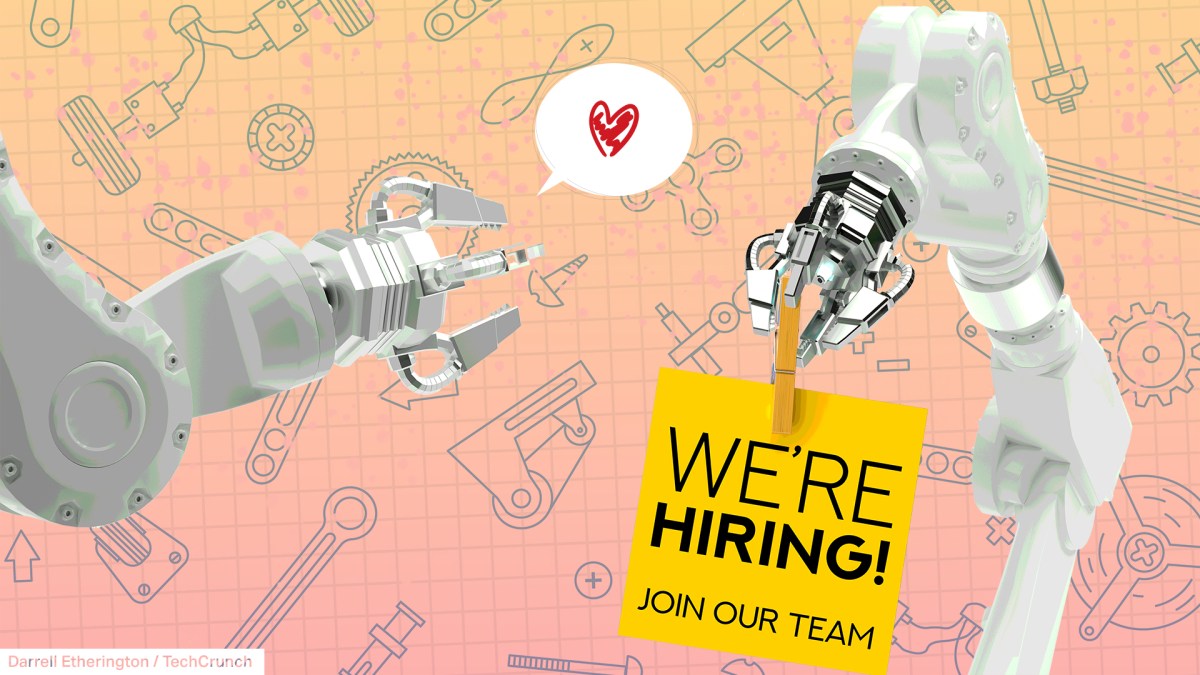
    Have you ever wondered about the future of job opportunities? Well, look no further, because robotics is paving the way for exciting and lucrative careers. Over 60 robotics companies are currently hiring, and this article will guide you through the amazing opportunities that await you in this industry. Whether you’re a recent graduate or considering a career change, the field of robotics offers a wide range of job prospects that can lead to a fulfilling and prosperous future.

    1. Advancements in Robotics Technology are Affecting Industries Worldwide

    Robotics technology has rapidly evolved over the years and is now significantly impacting various industries around the globe. From manufacturing to healthcare, logistics to agriculture, there is virtually no sector left untouched by robotics. Automation and artificial intelligence have revolutionized these industries, creating a high demand for skilled professionals to develop, maintain, and refine robotic systems.

    A key benefit of robotics technology is its ability to streamline operations and improve efficiency. By automating repetitive tasks, robots allow human workers to focus on more complex and creative work. This has led to increased productivity and opens up new possibilities for innovation in virtually every sector. As companies continue to adopt robotics technology, the demand for skilled professionals will only continue to grow.

    2. Lucrative Job Positions in the Robotics Industry

    As the robotics industry continues to boom, a wide range of job positions have emerged. Let’s explore some of the most exciting and well-paid roles in this dynamic field.

    Robotics Engineer

    Robotics engineers are responsible for designing, developing, and testing robotic systems. These professionals have a strong background in mechanical engineering, electrical engineering, and computer science. They play a crucial role in analyzing requirements, creating specifications, and building robust robots that can perform complex tasks with precision. If you’re passionate about problem-solving, innovating, and working with cutting-edge technology, a career as a robotics engineer may be the perfect fit for you.

    Artificial Intelligence Specialist

    Artificial Intelligence (AI) specialists are in high demand in the robotics industry. They focus on developing the intelligence and decision-making capabilities of robotic systems. These professionals work on creating algorithms, machine learning models, and neural networks that enable robots to learn, adapt, and improve their performance over time. With the advances in AI technology, the need for experts in this field continues to grow.

    Robotics Technician

    Robotics technicians are responsible for the installation, maintenance, and repair of robotic systems. They ensure that robots are operating efficiently and performing their tasks accurately. Additionally, robotics technicians often collaborate with engineers to test new components, troubleshoot issues, and optimize the robotics systems. This role is crucial for ensuring the smooth operation of robotic equipment in various industries.

    Robotics Software Developer

    Robotics software developers are the backbone of the robotics industry. They develop the software that enables robots to perform their tasks and interact with their environment. These professionals have a strong programming background with expertise in languages commonly used in robotic applications, such as C++, Python, or Java. By developing innovative software solutions, robotics software developers contribute to expanding the capabilities and potential of robotics technology.

    3. How to Prepare for a Career in Robotics

    Now that you’re aware of the promising job opportunities in the robotics industry, you may be wondering how to prepare for a career in this field. Here are a few essential steps to get started:

    1. Obtain a Relevant Degree

    To increase your chances of securing a job in robotics, consider pursuing a bachelor’s or master’s degree in robotics engineering, mechanical engineering, electrical engineering, computer science, or a related field. A solid education background will provide you with the necessary knowledge and skills to excel in this rapidly evolving industry.

    2. Gain Practical Experience

    While studying, take advantage of internships, co-op programs, or research opportunities that allow you to gain hands-on experience with robotics technology. Building practical skills and expanding your network through internships will significantly enhance your employability after graduation.

    3. Stay Updated with the Latest Technology Trends

    Robotics is a rapidly evolving field, with new technologies continuously emerging. Stay up-to-date with the latest advancements by following industry blogs, attending conferences, and engaging with robotics communities online. Demonstrating knowledge of cutting-edge technology and trends will make you stand out during job interviews.

    4. Develop a Strong Technical Skill Set

    In addition to your formal education, focus on developing a solid technical skill set. This includes programming, software development, mechanical design, and analytical abilities. Proficiency with software tools commonly utilized in the field, such as MATLAB and SolidWorks, will be highly beneficial for your career in robotics.

    Frequently Asked Questions

    Please find below some common questions about job opportunities in the robotics industry:

    Q: Are there entry-level positions available in the robotics industry for recent graduates?
    A: Yes, many robotics companies are open to hiring recent graduates. Entry-level positions can serve as the perfect starting point for ambitious individuals looking to kick-start their career in this exciting field.

    Q: How much can I expect to earn in the robotics industry?
    A: Salaries in the robotics industry vary depending on the position, location, and level of experience. However, it is worth noting that robotics professionals generally earn competitive salaries compared to other engineering disciplines.

    Q: Do I need a background in engineering to pursue a career in robotics?
    A: While a background in engineering is advantageous, the field of robotics welcomes individuals from diverse educational backgrounds. Programmers, designers, and individuals with a strong technical skillset can find their place in the robotics industry.

    Q: What are key skills that robotics employers look for in job candidates?
    A: Robotics employers typically seek candidates with a strong educational background, technical proficiency, problem-solving ability, creativity, adaptability, and excellent teamwork skills. A combination of these skills will ensure you stand out among the competition.

    Q: How can I stay informed about new job opportunities in the robotics industry?
    A: As job opportunities in the robotics industry are constantly emerging, make use of job boards specific to tech and engineering, follow industry-specific LinkedIn groups, and stay connected with robotics companies of interest through their social media channels.

    Key Takeaways:

  • Robotics technology is significantly impacting various industries, creating a high demand for skilled professionals.
  • Lucrative job positions in the robotics industry include robotics engineers, AI specialists, robotics technicians, and software developers.
  • To prepare for a successful career in robotics, obtain a relevant degree, gain practical experience, stay updated with technology trends, and develop a strong technical skill set.
  • Conclusion

    The future of job opportunities looks incredibly promising for those interested in the field of robotics. Over 60 robotics companies are currently hiring, and the demand for professionals in this industry continues to rise. By pursuing a career in robotics, you can become part of a cutting-edge industry that is reshaping how we live and work. Whether you’re passionate about engineering, programming, or problem-solving, there is a perfect role waiting for you in the exciting world of robotics.

    Source: insidertechno.com