Home Blog Page 83

Driving Financial Innovation: Unveiling the Potential of the Internet of Things!

Driving Financial Innovation: Unveiling the Potential of the Internet of Things!

Driving Financial Innovation: Harnessing the Potential of the Internet of Things!

Key Takeaways:

  • The Internet of Things (IoT) has immense potential to revolutionize the financial industry.
  • IoT-based applications can enhance customer experiences, streamline operations, and improve security.
  • Financial institutions must adapt and embrace IoT to stay competitive in a rapidly evolving landscape.
  • The Internet of Things (IoT) is rapidly transforming various industries, and the financial sector is certainly no exception. The potential impact of IoT on financial innovation is enormous, offering new opportunities for enhanced customer service, operational efficiency, and security. In this article, we will explore the various ways that IoT is driving financial innovation and the key considerations for embracing this technological revolution.

    The Role of IoT in Enhancing Customer Experiences

    The advent of IoT has opened doors to a wide array of innovative financial services that cater to the evolving needs and preferences of the customers. From mobile banking apps to personalized financial recommendations, IoT-enabled devices collect valuable data that helps institutions gain insights into user behavior and deliver customized experiences.

    A typical example of IoT in action is the concept of wearable devices, such as smartwatches, which enable users to make contactless payments seamlessly. By connecting these devices to their bank accounts, customers can conveniently complete transactions just by a simple flick of their wrist. This technology not only facilitates quicker and more efficient transactions but also provides a personalized and seamless customer experience.

    IoT-driven data analytics also empower financial institutions to gain a deep understanding of customer needs and preferences. With access to extensive data from IoT devices, banks and other financial service providers can offer highly targeted and personalized products, resulting in improved customer satisfaction and higher engagement levels.

    Streamlining Operational Processes with IoT

    The integration of IoT technologies into financial operations can streamline and optimize key processes, contributing to cost savings and workforce efficiency. Real-time data monitoring, enabled by IoT devices, allows financial institutions to monitor and manage several aspects of their operations remotely.

    For instance, banks can utilize IoT sensors to monitor the status and functionality of critical infrastructure, such as ATMs, ensuring they are working smoothly and anticipating minor failures before they escalate into major disruptions. This predictive maintenance approach can save financial institutions significant amounts of time and resources, enabling them to identify and address issues proactively.

    Moreover, IoT devices can facilitate supply chain management, inventory control, and logistics operations within the financial industry. Sensors embedded in warehouse facilities can track and optimize inventory levels, preventing stock-outs or excessive stockpiling. This real-time visibility of inventory ultimately leads to cost-saving benefits and improved supply chain efficiency.

    Strengthening Security in the Financial Sector

    One of the primary concerns in the financial sector is security. With an increasing number of financial transactions occurring online, the need for robust security measures has never been more crucial. IoT technologies offer innovative solutions to enhance security and protect customer data.

    Ideally, the integration of IoT devices creates a networked ecosystem where information is shared among devices, authenticated securely, and accessed by authorized entities only. This interconnectedness ensures a robust security structure, hardening the financial networks against potential cyber threats and intrusions.

    For customer authentication purposes, IoT devices can play a significant role by employing unique biometric identifiers such as fingerprint or facial recognition. These identifiers, in combination with traditional access credentials, establish multi-factor authentication, fortifying customer data protection and deterring fraudulent activities.

    The Importance of Embracing IoT for Financial Institutions

    It is essential for financial institutions to embrace IoT to remain competitive in a rapid technology-driven landscape. Failing to adapt may result in losing market share, missing out on new revenue streams, and ultimately becoming obsolete.

    By leveraging IoT technologies, financial institutions can gain a significant competitive advantage. Customer-centric IoT applications, such as personalized financial advice and tailored recommendations, provide institutions with opportunities to build stronger customer relationships and enhance loyalty.

    Furthermore, the adoption and implementation of IoT in daily operations yield cost-saving benefits and enhances operational efficiency. Financial institutions can automate various labor-intensive tasks, minimize errors, and reduce manpower requirements. The resulting cost efficiencies can be passed on to customers or reinvested into further innovation and development.

    Frequently Asked Questions

    Q: Can IoT be applied to monitor credit card fraud?
    A: Absolutely! IoT devices can play a crucial role in monitoring credit card fraud. By analyzing transaction patterns and geolocation data, financial institutions can detect suspicious activities in real-time, alert customers, and take appropriate corrective measures.

    Q: Is IoT adoption costly for financial institutions?
    A: While initial IoT implementation may require investment, the long-term cost-saving benefits often outweigh the upfront expenses. Improvements in operational efficiency, reduction in manual labor, and enhanced customer experiences result in substantial returns on investment.

    Q: What are the potential security risks associated with IoT in the financial sector?
    A: While IoT poses security challenges, it also offers opportunities for enhanced security measures. By prioritizing robust encryption, multi-factor authentication, and regular firmware updates, financial institutions can mitigate risks and safeguard sensitive customer data.

    Q: How can the IoT improve investment and wealth management?
    A: IoT devices that monitor real-time market data, analyze financial indicators, and predict investment patterns can provide valuable insights for investment professionals. This technology enables them to make well-informed investment decisions and maximize returns for their clients.

    Q: What are the primary barriers to IoT adoption in the financial sector?
    A: One of the significant barriers to IoT adoption in the financial sector is concerns about data privacy and security. Financial institutions need to strike a balance between utilizing IoT technology and ensuring the trust and confidence of their customers by implementing robust security measures.

    Conclusion

    The Internet of Things (IoT) brings tremendous potential to drive innovation in the financial sector. From enhancing customer experiences and streamlining operations to strengthening security measures, IoT offers a wide range of benefits for financial institutions.

    By embracing IoT-powered solutions, financial institutions can stay at the forefront of technology, provide personalized experiences, improve operational efficiency, and offer robust security to their customers. This technological revolution is not an option; it is a necessity for institutions aiming to thrive in an ever-changing and digitally interconnected world.

    Source: insidertechno.com

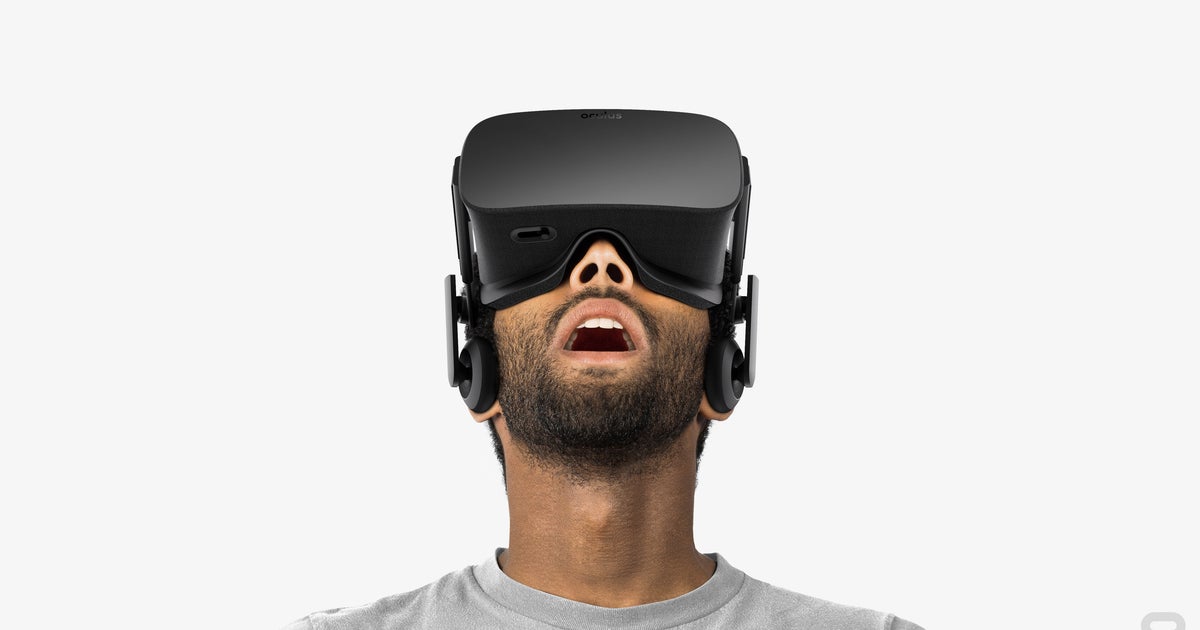
    Step Back in Time: Dive Into the Mind-Blowing VR Journey Unveiled a Decade Ago!

    Step Back in Time: Dive Into the Mind-Blowing VR Journey Unveiled a Decade Ago!


    Step Back in Time: Dive Into the Mind-Blowing VR Journey Unveiled a Decade Ago!

    Key Takeaways:

  • Virtual Reality (VR) technology emerged as a game-changer 10 years ago.
  • VR offers immersive experiences with incredible potential in various industries.
  • The early adoption of VR devices has paved the way for advancements in the field.
  • In the past decade, the world has witnessed a staggering transformation in the field of technology, and one of the most groundbreaking developments during this period has been the advent of Virtual Reality (VR). This extraordinary innovation has taken us on a journey into realms we could only dream of, unveiling a world of endless possibilities.

    The Birth of Virtual Reality

    In 2010, the concept of VR as we know it today started to gain momentum. At its core, VR technology utilizes a combination of computer-generated imagery and sensory input to create a simulated environment that users can interact with through special equipment like VR headsets.

    Since its inception, virtual reality has rapidly made its way into various industries, including gaming, entertainment, education, healthcare, architecture, and many more. With the ability to transport users to alternate realities, VR has unlocked a new dimension of experiences.

    The Impact and Potential of VR

    Virtual reality has captivated audiences by merging the real world with the virtual realm seamlessly, providing an immersive experience that transcends limitations. By leveraging the technology’s potential, game developers have transported gamers into fantastical realms, allowing them to navigate and interact with captivating digital landscapes.

    But VR doesn’t just cater to the gaming community; it has infiltrated other industries, providing equally amazing experiences. In the realm of entertainment, VR has enabled spectators to sit courtside at a basketball game or attend live concerts without leaving their homes. Such immersive experiences have completely transformed the way we engage with the world.

    Beyond entertainment, VR has also made significant strides in fields like education and training. Students are no longer confined to textbooks and blackboards; they can now explore historical sites, delve into the workings of the human body, or practice surgical procedures virtually. VR has revolutionized learning by making it interactive and engaging.

    Moreover, VR has become an invaluable tool in the field of healthcare. Surgeons can perform complex procedures in a virtual environment before carrying them out on actual patients, enhancing precision and minimizing risks. Additionally, doctors can use VR to assist in pain management and therapeutic treatments.

    Virtual reality has even left its mark on the architectural industry, enabling architects and designers to create virtual walkthroughs of buildings and spaces before they are constructed. This immersive experience empowers clients to make informed decisions and visualize the final outcome with greater accuracy.

    The Evolution of Virtual Reality

    In the past decade, VR has evolved at an astonishing pace, primarily due to early adopters who recognized its immense potential. Technological advancements have led to the development of more sophisticated VR devices with enhanced capabilities, such as improved resolution, 360-degree tracking, and hand gesture recognition.

    The introduction of standalone VR headsets, like the Oculus Quest, has made VR more accessible to the general public. These devices do not require a PC or console connection, providing a standalone and self-contained experience. With the growing popularity of VR, more companies are investing in the research and development of this transformative technology.

    Frequently Asked Questions

    Q: Can anyone use virtual reality?
    A: Yes, virtual reality is designed to be user-friendly and suitable for people of all ages. However, some individuals may experience discomfort or motion sickness, so it’s important to take breaks when needed.
    Q: Is virtual reality only used for gaming?
    A: No, virtual reality has applications in various industries, including gaming, entertainment, education, healthcare, architecture, and more.
    Q: What is the future of virtual reality?
    A: The future of VR is promising as technology continues to advance. We can expect more realistic and immersive experiences, wider adoption across industries, and the integration of VR with other technologies like artificial intelligence and haptic feedback.

    Conclusion

    Stepping back in time to the inception of virtual reality a decade ago, we can clearly witness the astonishing progress this groundbreaking technology has made. From gaming to education, entertainment to healthcare, and architecture to training, VR has revolutionized numerous industries and unlocked a world of infinite possibilities.

    As we move forward, the future of virtual reality looks brighter than ever. With enhanced accessibility, evolving technology, and a vast range of applications, VR continues to captivate and engage audiences worldwide. So strap on your headset and prepare to immerse yourself in the mind-blowing journey that VR has to offer!

    Source: insidertechno.com

    Revolutionary Communication Breakthrough: Apple Set to Introduce RCS on iPhone in 2024!

    0

    Revolutionary Communication Breakthrough: Apple Set to Introduce RCS on iPhone in 2024!

    Revolutionize Your Communication: Apple’s Game-Changing Introduction of RCS on iPhone in 2024!

    Key Takeaways:

  • This article discusses the revolutionary introduction of RCS technology by Apple on the iPhone in 2024.
  • RCS brings enhanced messaging capabilities, surpassing traditional SMS and rivaling popular messaging apps like WhatsApp.
  • The implementation of RCS on the iPhone opens up an array of possibilities for seamless communication and improved user experiences.
  • In a groundbreaking move set to revolutionize the world of communication, Apple is planning to introduce Rich Communication Services (RCS) technology on the iPhone in 2024. This long-awaited development comes as a remarkable milestone in the evolution of communication, paving the way for enhanced messaging experiences and leaving traditional SMS behind. Let’s dive deeper into this astounding breakthrough and explore the immense implications it will have on our daily lives.

    RCS: The Game-Changing Communication Technology

    Rich Communication Services is a next-generation messaging protocol designed to provide a richer, more interactive messaging experience compared to standard SMS texts. RCS brings forth a host of advanced features, transforming conventional texting into a more versatile and powerful tool for communication.

    With the integration of RCS on the iPhone, users will have access to a wide range of capabilities, including read receipts, typing indicators, group chat functionality, file sharing, and high-quality media transfers. This revolutionary technology aims to bridge the gap between traditional texting and internet-based messaging apps.

    The Benefits of RCS on iPhone

    Superior Messaging Experience: RCS will transform the way we communicate by offering a seamless and intuitive messaging experience. The arrival of RCS on the iPhone means that users can effortlessly send rich content such as high-resolution images, videos, and documents without the limitations imposed by traditional SMS.

    Enhanced Group Chats: With RCS, group chats will become more dynamic and engaging. Users will have access to useful features like real-time location sharing, topic-based conversations, event planning, and the ability to react to messages with emojis. Apple’s RCS implementation will make group chats more interactive and efficient than ever before.

    Business Integration: The adoption of RCS on iPhone will also have significant implications for businesses. With RCS, companies can incorporate interactive elements like branded messaging, chatbots, and enhanced customer support within the messaging platform. For businesses, this means creating a seamless experience for users, leading to improved customer engagement and satisfaction.

    Privacy and Security

    Apple has strong foundations in prioritizing user privacy and protection. The introduction of RCS technology on the iPhone raises questions regarding the security of data and privacy standards. Rest assured, Apple has an excellent track record when it comes to safeguarding user information. With their commitment to privacy in previous developments like end-to-end encryption and stringent security measures, it is reasonable to expect that the implementation of RCS on iPhone will prioritize user privacy and protect personal data.

    Frequently Asked Questions

    What is RCS?
    RCS stands for Rich Communication Services, which is an upgraded messaging protocol that offers an enhanced messaging experience surpassing traditional SMS. It includes advanced features like typing indicators, read receipts, and higher quality media sharing.

    When will Apple introduce RCS on the iPhone?
    Apple has announced plans to introduce RCS on the iPhone in 2024. This development will bring revolutionary changes to the messaging capabilities of the iPhone.

    What advantages does RCS offer over traditional SMS?
    RCS offers numerous advantages over traditional SMS, such as the ability to send diverse media files, engage in group chats, and enjoy a more interactive messaging experience. RCS bridges the gap between traditional SMS and internet-based messaging apps.

    In Conclusion

    Apple’s imminent introduction of RCS technology on the iPhone in 2024 signifies a major breakthrough in communication capabilities. This innovative step brings forth a seamless, interactive, and feature-rich communication experience for iPhone users, putting traditional SMS in the rearview mirror.

    As we eagerly await the implementation of RCS, we can expect exciting changes in the way we communicate. From enhanced group chats and file-sharing capabilities to improved business integration, RCS on the iPhone promises to change the way we connect with others and elevate our messaging experiences to new heights.

    [powerkit_toc]

    Source: insidertechno.com

    Unlock the Future: Discover Samsung Galaxy’s AI Features Available on a Range of Devices!

    0

    Unlock the Future: Discover Samsung Galaxy’s AI Features Available on a Range of Devices!

    Unlock the Future: Discover Samsung Galaxy’s Revolutionary AI Features on Diverse Devices!

    Introduction

    Welcome to a new era of technology where artificial intelligence (AI) takes the center stage and revolutionizes our lives. In this digital age, Samsung Galaxy stands as a beacon of innovation, offering cutting-edge AI features across a range of devices. From smartphones to wearables and home appliances, Samsung Galaxy devices seamlessly integrate AI technology to enhance user experiences, improve efficiency, and unlock the future for all. Join us in this captivating journey as we explore the incredible AI features available on Samsung Galaxy devices!

    Key Takeaways:

  • Samsung Galaxy devices showcase groundbreaking AI features that amplify user experiences.
  • AI integration across diverse devices enhances convenience, productivity, and efficiency.
  • Explore the limitless potential of AI technology as it evolves across different aspects of our lives.
  • Understanding AI on Samsung Galaxy Devices

    Samsung Galaxy’s AI features are powered by a sophisticated blend of machine learning algorithms and neural networks. This enables devices to learn and adapt to user preferences, providing personalized and intuitive experiences.

    One of the most notable AI features found on Samsung Galaxy devices is the virtual assistant, Bixby. Bixby’s voice recognition and natural language processing capabilities allow users to interact with their devices effortlessly. Whether it’s setting reminders, playing music, or finding information, Bixby is always at your service, providing a convenient and hands-free experience.

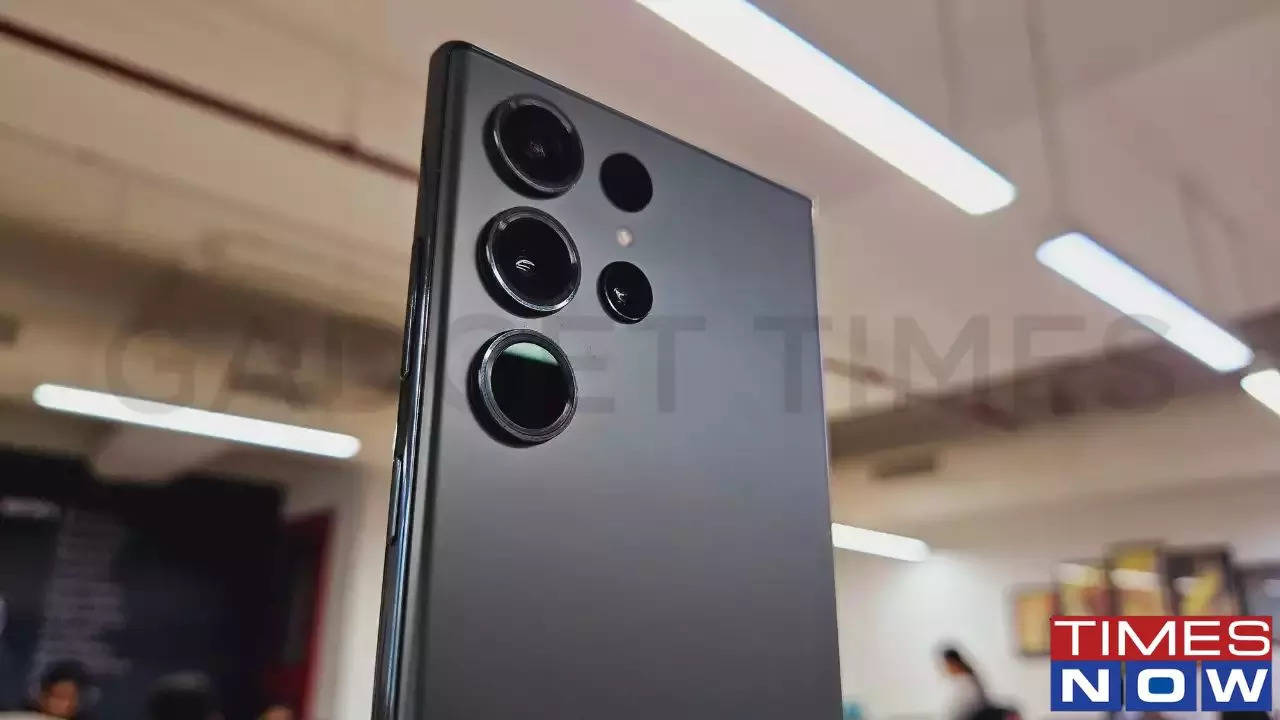
    Beyond Bixby, Samsung Galaxy devices leverage AI technology in various other ways. The camera AI, for instance, enhances photography by automatically adjusting settings to capture the perfect shot in any condition. AI-powered optimization enhances image quality, reduces noise, and improves overall clarity, ensuring that every photo is a masterpiece.

    AI in Smartphones: Transforming the Way We Connect

    Samsung Galaxy smartphones are the epitome of AI integration. They combine powerful processors with intelligent features, enhancing users’ daily interactions. AI-driven technologies on Samsung Galaxy smartphones offer a myriad of benefits that simplify life and empower productivity.

    Samsung Galaxy smartphones can now learn from their owners’ habits and adapt accordingly. Predictive text suggestions make typing faster and more accurate, while contextual awareness ensures smart selections of apps and settings based on the user’s routine. Additionally, smartphones like the Galaxy S21 series provide seamless multitasking through preloading frequently used apps, bringing efficiency to the next level.

    Navigating through different apps and features is also made effortless with the Samsung DeX feature. DeX transforms your smartphone into a desktop-like experience, running multiple apps on a larger screen seamlessly. Users can stay productive on the go, using their smartphones as a portable computer without the need for additional hardware.

    AI in Wearables: Elevating Health and Fitness

    Samsung Galaxy wearables are not just stylish accessories but also reliable health and fitness companions. With AI embedded into the core, Samsung Galaxy wearables offer a comprehensive suite of features designed to monitor and improve your well-being.

    Smartwatches like the Galaxy Watch series incorporate advanced AI algorithms to track vital statistics, including heart rate, sleep patterns, and stress levels. By analyzing this data, wearables provide valuable insights into overall health and recommend activities to promote fitness and relaxation. These insights empower users to make informed decisions about their well-being.

    Furthermore, the AI capabilities of Galaxy wearables extend to fitness coaching. The devices can automatically detect and track various exercises, offering real-time guidance and feedback. Customized workout plans can be created, making it easier to achieve fitness goals and maintain an active lifestyle.

    FAQ:

    Q: How can AI technology enhance the camera experience on Samsung Galaxy devices?
    A: AI algorithms automatically optimize camera settings, including exposure, white balance, and focus, to capture stunning photos in any situation. Additionally, AI-powered image enhancement ensures that every picture is vivid, sharp, and true to life.

    Q: Can I use Bixby, the virtual assistant, to control other smart devices in my home?
    A: Yes, Bixby serves as a central hub for your smart home. By integrating with Samsung SmartThings, Bixby can connect and control various smart devices, creating a seamless and convenient living environment.

    Q: Which Samsung Galaxy smartphones are equipped with AI-driven predictive text suggestions?
    A: The latest range of Galaxy smartphones, including the Galaxy S21 series, incorporates AI predictive text suggestions, making typing faster and more efficient.

    [/myfaq]

    Boldly Embrace the AI-Powered Future!

    As we enter an era defined by intelligence, Samsung Galaxy devices lead the charge in bringing AI to the forefront of technology. These devices utilize powerful AI algorithms and machine learning to ensure that they understand you, adapt to your needs, and empower you in profound ways.

    Unlock the wealth of advantages offered by Samsung Galaxy’s AI features across a wide array of devices. Experience the convenience of Bixby’s voice-controlled virtual assistant, capture breathtaking photos with AI-powered camera optimization, and enhance your well-being with AI-driven wearables. The possibilities are endless!

    Conclusion

    Samsung Galaxy’s AI revolution involves much more than deploying Bixby or enhancing camera functionality. The AI journey permeates the entire range of Samsung Galaxy devices, transforming the way we live, work, and connect. From smartphones and wearables to home appliances, AI features on Samsung Galaxy devices enhance user experiences, maximize productivity, and pave the way for a future defined by intelligent integration. Embrace the power of AI and unlock the endless possibilities that Samsung Galaxy offers!

    Source: insidertechno.com

    Supercharging Your Linux Experience: The Arrival of THine’s ISP THP7312 in the Mainline Kernel

    Supercharging Your Linux Experience: The Arrival of THine’s ISP THP7312 in the Mainline Kernel

    Key Takeaways:

  • THine’s ISP THP7312 is now integrated into the Mainline Kernel of Linux, improving the Linux experience for users.
  • This integration allows for enhanced image signal processing, resulting in improved image quality and performance.
  • Better Linux compatibility leads to increased user satisfaction and productivity.
  • In recent news, the arrival of THine’s ISP THP7312 in the Mainline Kernel of Linux has revolutionized the Linux experience for users across the globe. This integration not only enhances the image signal processing capabilities of the operating system but also offers a host of other benefits, increasing Linux compatibility and making it a preferred choice among users.

    The Arrival of THine’s ISP THP7312 in the Mainline Kernel

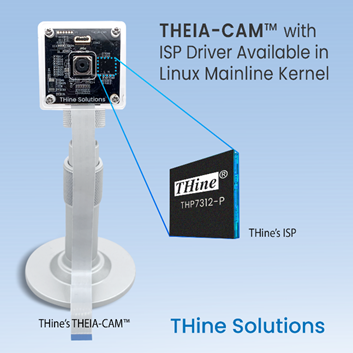
    When it comes to optimizing the Linux experience, there are multiple factors to consider. The integration of THine’s ISP THP7312 into the Mainline Kernel is a significant milestone that enhances support for various imaging applications. It offers advanced image signal processing features, resulting in vast improvements in image quality and performance.

    Improved Image Quality

    One of the standout benefits of THine’s ISP THP7312 integration is the improved image quality it provides. Images are rendered with greater sharpness, clarity, and color accuracy, creating visually stunning experiences for users. Whether it’s watching videos, editing photos, or working on graphic-intensive tasks, the difference in image quality is noticeable.

    Moreover, the THP7312 allows for better noise reduction, reducing image artifacts and ensuring clean and detailed images even in low-light conditions. This advancement enables Linux users to achieve professional-grade image quality without any additional effort or specialized software.

    Enhanced Image Signal Processing

    THine’s ISP THP7312 integrates various advanced image signal processing techniques into the Mainline Kernel. These techniques, such as auto-white balance, auto-exposure control, and auto-focus, work harmoniously to optimize image capture and processing. As a result, users can capture high-quality images with accurate colors, balanced exposure levels, and sharp focus.

    The THP7312’s integrated signal processing capabilities also enable the implementation of various real-time image enhancement features. These features dynamically adjust image settings on the fly to enhance overall visual output. From adjusting contrast and saturation to reducing motion blur, Linux users now have access to a wide range of in-built image enhancement options.

    Linux Compatibility

    A crucial aspect of the THP7312’s integration is its focus on improving Linux compatibility. Linux, favored for its stability and security, has gained widespread popularity across different industries and user communities. By enhancing compatibility, THine’s ISP THP7312 opens up new doors for Linux users in the imaging field.

    Thanks to this integration, users can seamlessly connect and utilize a variety of imaging devices and peripherals. Cameras, scanners, printers, and other compatible hardware are now readily supported, eliminating the need for additional drivers or complex setup processes.

    Increase in User Satisfaction and Productivity

    The comprehensive integration of THine’s ISP THP7312 into the Mainline Kernel vastly improves the Linux experience for end-users. With enhanced image quality, powerful image signal processing, and increased compatibility, users can witness a significant boost in satisfaction and productivity.

    For professionals in photography, graphic design, or video editing, the improved Linux imaging capabilities streamline their workflow and enable them to achieve exceptional results. Moreover, general users can enjoy a visually engaging Linux experience with sharper visuals and a seamless connection to various imaging devices.

    Frequently Asked Questions

    1. How does THine’s ISP THP7312 benefit photographers and graphic designers?
    THine’s ISP THP7312 integration ensures enhanced image quality, providing photographers and graphic designers with sharper images, accurate colors, and improved post-processing possibilities. The advanced image signal processing techniques offer better noise reduction and focus control, enabling professionals to achieve superior results right from their Linux environment.

    2. Will THine’s ISP THP7312 be compatible with my existing imaging devices?
    Yes, THine’s ISP THP7312 integration in the Mainline Kernel enhances Linux compatibility with a wide range of imaging devices. It ensures hassle-free connectivity and usage of cameras, scanners, printers, and other devices without the need for additional software or drivers.

    Conclusion

    The integration of THine’s ISP THP7312 into the Mainline Kernel of Linux marks a significant advancement in the Linux experience. With improvements in image quality, enhanced image signal processing capabilities, and increased compatibility, users can enjoy a more satisfying and productive Linux environment. Whether you’re a photographer, a graphic designer, or a general Linux user, the THP7312 integration paves the way for an exceptional visual experience.

    Source: insidertechno.com

    Unveiling Microsoft’s Mind-Blowing AI PCs: The Must-Have Copilot Key!

    0

    Unveiling Microsoft’s Mind-Blowing AI PCs: The Must-Have Copilot Key!

    Unveiling Microsoft’s Revolutionary AI-Powered PCs

    Key Takeaways:

  • Discover Microsoft’s groundbreaking AI-powered PCs.
  • Learn about the Copilot Key and its incredible capabilities.
  • Find out how these AI PCs can enhance your life and work.
  • Introduction

    Attention technology enthusiasts, we have exciting news for you! Microsoft has unleashed its latest innovation – AI-powered PCs that will revolutionize the way you work and interact with technology. In this article, we dive deep into the mind-blowing capabilities of Microsoft’s AI PCs and explore the must-have Copilot Key. Say goodbye to outdated technology and hello to a new era of enhanced productivity and seamless integration.

    The Power of AI in PCs

    Artificial Intelligence (AI) has long been anticipated as the future of technology, and Microsoft’s AI-powered PCs are evidence of this thriving revolution. These PCs are equipped with advanced AI algorithms that analyze user behavior and adaptive learning. By harnessing the power of AI, Microsoft has built a range of innovative features that prioritize user experience and make tasks more efficient and intuitive.

    Copilot Key: Your Ultimate Productivity Companion

    Designed with professionals in mind, Microsoft’s Copilot Key is the go-to feature that will change the way you work. The Copilot Key acts as your virtual assistant, offering real-time suggestions, shortcuts, and intelligent recommendations to improve workflow and productivity. Say goodbye to conventional keyboard shortcuts and say hello to a more effortless and streamlined user experience.

    Never Miss a Beat with Real-Time Suggestions

    Gone are the days of searching through endless menus or frantically Googling for answers. The Copilot Key leverages AI technology to analyze your workflow and provide real-time suggestions for relevant commands, tools, and resources. Need to perform a specific task or find a particular file? Simply press the Copilot Key, and watch as the options you need appear right at your fingertips. Say goodbye to time wasted on manual searches and hello to increased efficiency and productivity.

    Seamless Integration and Intelligent Shortcuts

    Microsoft’s AI-driven PCs take integration to a whole new level. The Copilot Key seamlessly integrates with your favorite productivity applications, such as Microsoft Office Suite, allowing for intelligent shortcuts that save time and effort. Need to create a new document, format a spreadsheet, or send an email? The Copilot Key anticipates your needs and offers relevant shortcuts, streamlining your work process and enabling you to accomplish tasks with lightning speed.

    Intelligent Recommendations for Enhanced Productivity

    The Copilot Key doesn’t stop at real-time suggestions and shortcuts. This remarkable feature incorporates adaptive AI algorithms that learn from your work patterns and offer intelligent recommendations. From refining your writing style to suggesting optimal layouts for presentations, the Copilot Key is your trusted companion for achieving peak productivity. Embrace the future of work with technology that grows alongside you.

    Enhancing Life and Work

    Microsoft’s AI PCs are not limited to professional use but extend their incredible capabilities to enhance various aspects of your life. From education and creative pursuits to entertainment and personal wellbeing, these AI-powered companions are designed to transform the way we live and experience technology.

    Revolutionizing Education with AI

    Imagine having an AI-powered PC as your personal tutor. Microsoft’s innovative AI algorithms enable personalized learning experiences where the PC adapts to your learning style, provides interactive lessons, and offers continuous feedback and assessments. Whether you’re a student, a parent, or an educator, the AI PCs open up endless possibilities for immersive and adaptive education.

    Unleash Creativity with AI

    Artists, designers, and enthusiasts, rejoice! Microsoft’s AI-driven PCs empower your creative endeavors by unleashing the full potential of your imagination. With intuitive AI assistance, intelligent design suggestions, and enhanced digital art capabilities, you can take your creativity to new heights. Transform your ideas from concept to reality with the help of AI technology that understands and amplifies your artistic vision.

    Immersive Entertainment and Personal Wellbeing

    Entertainment enthusiasts and individuals seeking personal development will delight in Microsoft’s AI innovations. Imagine an AI PC that tailors your entertainment experience, suggesting movies, music, and games according to your preferences and various moods. Additionally, these AI-powered companions can assist with personal wellbeing management, offering mindfulness exercises, mental health resources, and tips for maintaining a healthy work-life balance.

    Frequently Asked Questions

    What is the Copilot Key?
    The Copilot Key is a revolutionary feature on Microsoft’s AI-powered PCs that acts as a virtual assistant, offering real-time suggestions, shortcuts, and intelligent recommendations to enhance productivity.
    How do AI PCs improve efficiency?
    AI PCs leverage artificial intelligence algorithms to analyze user behavior and adapt in real-time, providing personalized shortcuts, intuitive tools, and insightful recommendations that optimize workflow and save time.
    Are AI PCs suitable for individuals with limited technical knowledge?
    Absolutely! Microsoft’s AI-powered PCs are designed to be user-friendly and intuitive, eliminating complex technical jargon and bridging the gap for individuals from all backgrounds.
    Can AI PCs assist with language translation?
    Yes, language translation is one of the many features that AI PCs excel at. From translating text in documents and emails to real-time interpretation during video calls, these innovative companions are equipped with AI-powered language capabilities.
    Do AI PCs compromise user privacy?
    Microsoft places a strong emphasis on user privacy and ensures that AI PCs adhere to strict data protection protocols. Your privacy and security are of utmost importance.

    Conclusion

    Microsoft’s mind-blowing AI-powered PCs, with their revolutionary Copilot Key, have arrived to redefine the realm of technology and productivity. Offering real-time suggestions, intelligent shortcuts, and adaptive learning, these PCs empower users to achieve new levels of efficiency and creativity. Beyond work, these AI companions revolutionize education, art, entertainment, and personal wellbeing, catering to diverse needs and unlocking fresh possibilities. Embrace the future of technology with Microsoft’s AI PCs and elevate your work and life to extraordinary heights.

    Source: insidertechno.com

    Unlocking the Stealthy Secrets: Analyzing the Powerful DinodasRAT Linux Implant

    0

    Unlocking the Stealthy Secrets: Analyzing the Powerful DinodasRAT Linux Implant

    Unlocking the Steathy Secrets: Analizing the Powerful DinodasRAT Linux Implant

    Key Takeaways:

  • DinodasRAT is a powerful Linux implant that poses a serious threat to cybersecurity.
  • Understanding DinodasRAT’s stealthy secrets is crucial for protecting against it.
  • Proper analysis and detection techniques can help secure systems from DinodasRAT.
  • The online world has become a breeding ground for malicious activities, with hackers constantly developing new techniques to exploit vulnerabilities. One such threat is DinodasRAT, a powerful Linux implant that can cause severe damage to individuals and organizations alike. In this article, we will delve into the stealthy secrets behind DinodasRAT and analyze its functionalities and risks. By understanding this malware, we can better protect ourselves and our systems against it.


    A Deceptive Silent Assassin

    DinodasRAT, short for Dinosaur and Remote Access Trojan, is a sophisticated malware that operates silently and remotely. It infiltrates Linux operating systems and grants attackers full control over infected machines. Once inside, it opens a backdoor, allowing hackers to manipulate files, execute commands, and exfiltrate sensitive data.

    The unique aspect of DinodasRAT is its ability to remain unnoticed by readily-available antivirus software. It operates covertly, making it extremely difficult to detect and remove. This stealthy behavior enables the malware to wreak havoc unnoticed, compromising the confidentiality and integrity of the infected system.


    Analyzing DinodasRAT’s Capabilities

    Q: What makes DinodasRAT so powerful?
    A: DinodasRAT combines several advanced features, making it a formidable threat:

    Q: What are some key capabilities of DinodasRAT?
    A: Dingershover Linux Rootkit, process injection, privilege escalation, raw packet sniffing, and keylogging are just a few examples of the intricate capabilities embedded within DinodasRAT. These features allow hackers to evade detection and carry out malicious activities undetected.

    By employing Diggershover, a stealthy rootkit, DinodasRAT disguises itself and conceals its presence from security software. This makes it incredibly difficult for traditional antivirus solutions to detect and remove the malware. Additionally, DinodasRAT utilizes process injection techniques to inject malicious code into legitimate processes, further evading defenses.

    10

    The Danger Posed by DinodasRAT Linux Implant

    Q: What are the risks of DinodasRAT?
    A: DinodasRAT poses a multitude of risks:

    Q: What are the potential consequences of a DinodasRAT infection?
    A: Once infected, the attacker gains complete control of the compromised system. This enables them to steal sensitive data such as login credentials, financial information, and intellectual property, leading to severe financial and reputational damage.

    Furthermore, DinodasRAT can serve as a gateway for additional attacks, facilitating the installation of other malware or even creating a botnet to carry out various cybercriminal activities. The longer the malware remains undetected, the more damage it can inflict.


    Detecting and Preventing DinodasRAT Infections

    To protect against the stealthy DinodasRAT Linux implant, organizations and individuals must employ proactive security measures. Here are some essential detection and prevention techniques:

    1. Regular Security Audits and Updates

    Keep your software and operating systems up to date with the latest security patches. Vulnerabilities in outdated software can make it easier for malware like DinodasRAT to infiltrate your systems. Regular security audits help identify weak points that hackers could exploit.

    2. Endpoint Protection Solutions

    Invest in comprehensive endpoint protection solutions that offer real-time monitoring, behavior-based analysis, and heuristic detection capabilities. These advanced tools can detect and mitigate threats such as DinodasRAT before they cause significant harm.

    3. Network Monitoring and Intrusion Detection

    Implement network monitoring systems and intrusion detection/prevention systems (IDPS) to identify suspicious network activity indicative of a DinodasRAT infection. With timely alerts, you can take immediate action and prevent further damage.

    4. Employee Education and Awareness

    Train employees on cybersecurity best practices, including recognizing phishing attempts, avoiding suspicious downloads, and refraining from visiting risky websites. Human error is often a weak point that hackers exploit, so empowering employees with awareness and education is critical.

    5. Incident Response and Recovery Plan

    Create an incident response plan that outlines the steps to be taken in the event of a DinodasRAT breach or any cybersecurity incident. This plan should detail how to isolate infected systems, recover data, and investigate the extent of the attack.


    Conclusion

    In conclusion, understanding the secrets and capabilities of the powerful DinodasRAT Linux implant is essential for individuals and organizations to protect themselves from this formidable threat. By analyzing its functionalities and risks, implementing the necessary security measures, and educating employees on best practices, we can fortify our systems and defend against DinodasRAT’s stealthy invasion.

    Key Takeaways:

  • DinodasRAT is a powerful Linux implant that poses a serious threat to cybersecurity.
  • Understanding DinodasRAT’s stealthy secrets is crucial for protecting against it.
  • Proper analysis and detection techniques can help secure systems from DinodasRAT.
  • Frequently Asked Questions

    Q: How does DinodasRAT infiltrate Linux systems?
    A: DinodasRAT infiltrates Linux systems by exploiting vulnerabilities in software or through social engineering techniques such as spear-phishing.
    Q: Can antivirus software detect DinodasRAT?
    A: Due to DinodasRAT’s stealthy nature, it can often bypass traditional antivirus software. Updated, comprehensive endpoint protection solutions are recommended for detecting and mitigating this threat.
    Q: What industries are most at risk from DinodasRAT attacks?
    A: DinodasRAT attacks can target any industry, but industries dealing with sensitive data, such as finance, healthcare, and government institutions, are at a higher risk.
    Q: Can employee training help prevent DinodasRAT infections?
    A: Yes, proper employee education and awareness about cybersecurity best practices can greatly reduce the risk of DinodasRAT infections.
    Q: What should I do if I suspect a DinodasRAT infection?
    A: If you suspect a DinodasRAT infection, immediately disconnect the compromised system from the network, inform your IT department, and follow your company’s incident response plan.

    Source: insidertechno.com

    Unlocking a World of Possibilities: How Virtual Reality is Transforming the Lives of People with Parkinson’s

    Unlocking a World of Possibilities: How Virtual Reality is Transforming the Lives of People with Parkinson’s


    Unlocking a World of Possibilities: How Virtual Reality is Enhancing the Lives of People with Parkinson’s

    Introduction

    Virtual Reality (VR) technology has proven to be a game-changer in various industries, from gaming and entertainment to healthcare. One impactful area of application for VR is in improving the lives of people with Parkinson’s disease. By utilizing this immersive technology, individuals with Parkinson’s are able to overcome physical and cognitive limitations, empowering them to engage in activities they once thought impossible.

    Understanding Parkinson’s Disease

    Parkinson’s disease is a neurological disorder that gradually affects movement and coordination. Its most common symptoms include tremors, stiffness, impaired balance, and a decline in cognitive function. While medications and physical therapy are typically prescribed to manage the symptoms, virtual reality is emerging as a complementary therapeutic tool that can augment conventional treatments and enhance overall well-being.

    Enhancing Motor Skills

    One of the main challenges faced by individuals with Parkinson’s is maintaining or improving their motor skills. VR technology has proven effective in addressing this challenge by offering tailored exercises and simulations specifically designed to target motor control and coordination.

    Driving Recovery with Immersive Experiences

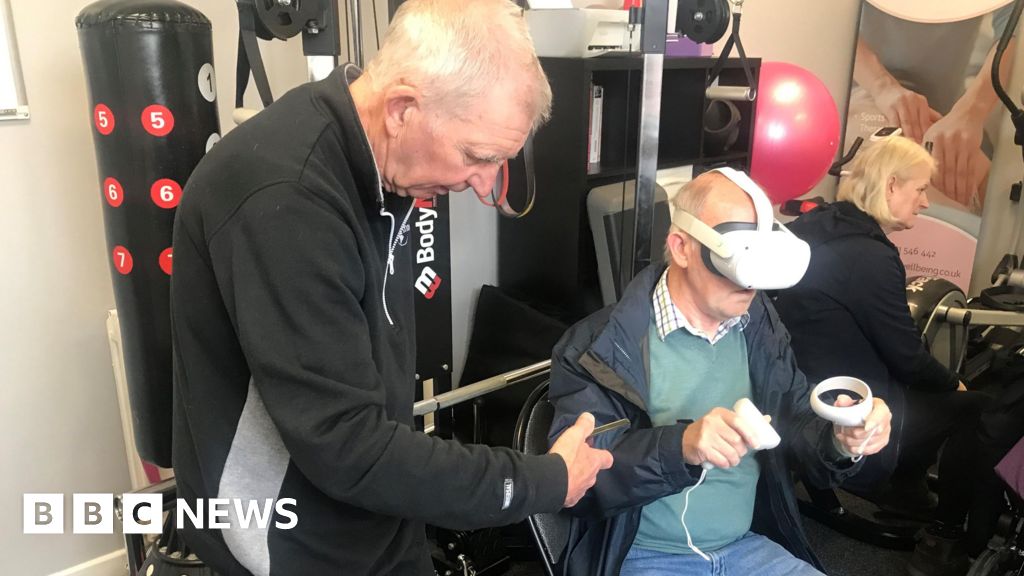
    Virtual reality immerses Parkinson’s patients in simulated environments where they can engage in activities such as driving, cooking, or playing sports. These activities enable patients to practice motor control in a safe and controlled setting. VR interventions can help retrain the brain, improve muscle memory, and facilitate neuroplasticity, which is crucial for enhancing the recovery process.

    Increasing Motivation and Compliance

    Unlike traditional therapy sessions, which can become repetitive and monotonous over time, VR offers a dynamic and engaging experience. Through interactive games and visually stimulating scenarios, virtual reality therapy can significantly increase patient motivation and compliance. Patients are more likely to adhere to their rehabilitation exercises when they are presented in an enjoyable and immersive format.

    Alleviating Anxiety and Depression

    People with Parkinson’s disease often experience mental health challenges, such as anxiety and depression. The uncertainty and limitations surrounding their condition can take an emotional toll on patients. Virtual reality technology provides a powerful tool to alleviate these negative emotions and improve overall psychological well-being.

    Creating a Sense of Calm and Relaxation

    With virtual reality, individuals with Parkinson’s can be transported to serene and peaceful environments, allowing them to momentarily escape the realities of their condition. Whether it’s a virtual beach, a tranquil forest, or a scenic mountainside, VR experiences can induce a sense of calmness and relaxation, effectively reducing stress levels and promoting mental well-being.

    Social Connection and Support

    Isolation is a common occurrence for individuals with Parkinson’s, as their symptoms often restrict their mobility and limit their ability to partake in social activities. Through the power of virtual reality, patients can connect with others who may share similar experiences. Virtual support groups and social platforms enable individuals to foster relationships, receive guidance, and offer support to one another, effectively combating feelings of loneliness and isolation.

    Experiencing Empathy and Raising Awareness

    While providing therapeutic applications, virtual reality can also serve as a valuable tool for creating empathy and raising awareness about Parkinson’s disease. By enabling healthy individuals to experience the symptoms and challenges faced by Parkinson’s patients through immersive simulations, VR fosters a deeper understanding and empathy for the plight of those with the condition.

    Increasing Empathy among Caregivers and Family Members

    Caregivers and family members of individuals with Parkinson’s can utilize VR simulations to better grasp the daily struggles faced by their loved ones. Empathy drives improved care and support by enabling caregivers to personalize their approach and provide assistance that directly addresses individual needs.

    Promoting Public Understanding and Support

    Virtual reality experiences offer a unique perspective into the challenges of living with Parkinson’s. By showcasing these experiences to the public, VR plays a pivotal role in educating society about the realities of the disease. Increased awareness often translates into improved support, funding, and research for Parkinson’s initiatives, fostering a more compassionate and inclusive society.

    Key Takeaways:

    – Virtual Reality (VR) technology has transformed the lives of individuals with Parkinson’s by enhancing motor skills and relieving anxiety and depression.

    – With tailored exercises and immersive experiences, VR offers a dynamic and engaging therapy option that aids in recovery and increases patient compliance.

    – Teasing the landscape of perceived realities, VR fosters empathy, empowering caregivers and raising public support for Parkinson’s awareness.

    Frequently Asked Questions

    Q: Can virtual reality completely cure Parkinson’s disease?
    A: Virtual reality technology cannot cure Parkinson’s disease. It is, however, a valuable tool that can be used alongside conventional treatments to alleviate symptoms and support overall well-being.
    Q: Is virtual reality therapy suitable for all stages of Parkinson’s?
    A: Virtual reality therapy can be beneficial for individuals at various stages of Parkinson’s. However, the therapy should be tailored to the individual’s specific needs and capabilities, and consulting a healthcare professional is recommended.
    Q: Are there any risks or side effects associated with using virtual reality therapy for Parkinson’s?
    A: When implemented correctly and under supervision, virtual reality therapy is generally safe and well-tolerated. However, individuals with certain underlying health conditions or sensitivities to VR technology should exercise caution and consult their healthcare provider.
    Q: Can virtual reality therapy replace traditional Parkinson’s treatments?
    A: Virtual reality therapy should be viewed as a complementary tool rather than a replacement for traditional Parkinson’s treatments. It can augment conventional therapies and significantly enhance the patient’s overall experience and outcomes.
    Q: How accessible is virtual reality therapy for individuals with Parkinson’s?
    A: The accessibility of virtual reality therapy for Parkinson’s patients is improving as the technology becomes more refined. However, factors such as cost and availability of specialized VR equipment and trained professionals may influence its widespread use.

    Conclusion

    In conclusion, virtual reality is revolutionizing the lives of people with Parkinson’s disease, offering new possibilities for rehabilitation, mental well-being, and public advocacy. As this technology continues to advance, it holds the potential to transform healthcare practices and empower individuals to live fulfilling lives despite the challenges posed by Parkinson’s. By embracing the virtual reality revolution, we can unlock a world of possibilities for those with Parkinson’s disease.

    Source: insidertechno.com

    Why Amazon’s $150 Billion Bet on Data Centers is Set to Revolutionize the AI Industry

    Why Amazon’s 0 Billion Bet on Data Centers is Set to Revolutionize the AI Industry

    Why Amazon’s Multi-Billion Dollar Investment in Data Centers is Poised to Revolutionize the AI Industry

    Key Takeaways:

  • Amazon is making a significant financial bet on data centers to pave the way for the future of artificial intelligence (AI)
  • Their extensive data center infrastructure enables the collection, storage, and processing of vast amounts of data, fueling the development of AI technology
  • This investment serves as a game-changer for companies looking to advance their AI capabilities and innovation
  • In today’s rapidly evolving technological landscape, Amazon’s trillion-dollar worth organization is carving out a place for itself at the forefront of the artificial intelligence (AI) industry. With their daring investment of $150 billion in data centers, Amazon is poised to revolutionize the AI landscape. This unprecedented financial endeavor on their part demonstrates their visionary approach to the future of AI technology.

    The AI Era: A Paradigm Shift in Technology

    Artificial intelligence has become more than just a buzzword; it showcases the compression of human knowledge and redefines the boundaries of technology. The underlying principle of AI lies in the ability of machines to learn and emulate human-like cognitive functions. Such capabilities have led to groundbreaking advancements in various fields, including healthcare, finance, transportation, and beyond.

    In this era of AI, companies are engaged in a race to equip themselves with cutting-edge technologies, ensuring their survival and dominance in a highly competitive global market. Amidst this phenomenon, Amazon has taken a remarkable leap, betting big on data centers.

    Amazon’s Astounding Bet: $150 Billion on Data Centers

    The emergence of artificial intelligence has introduced a plethora of opportunities and challenges which can only be harnessed effectively by efficient data management systems. Recognizing the transformative potential of AI, Amazon has invested a staggering $150 billion in the development and expansion of data centers worldwide.

    So, what makes Amazon’s data centers so crucial in the AI revolution? Characterized by their robust infrastructure and large-scale operations, these centers are a haven for extensive data storage and processing. They form the backbone of AI research and development, enabling organizations to leverage this technological frontier to enhance their operations, yield valuable insights, and deliver unparalleled user experiences.

    Unlocking the Power of Data Centers in the AI Revolution

    Without adequate data storage and processing capabilities, AI technology remains limited in terms of its potential applications. Amazon’s multi-billion dollar investment in data centers precisely addresses this issue by fueling the growth and advancement of AI-powered solutions across industries.

    Modern technologies, such as machine learning and deep neural networks, require vast quantities of high-quality data to train and improve their algorithms. Through their extensive data center infrastructure, Amazon facilitates the collection, storage, and accessibility of vast amounts of data. This availability of data fuels innovative AI applications and ensures the scalability of AI technology in the future.

    Data centers are not just vaults to hoard vast amounts of data; their role extends far beyond storage. They boast advanced computing power and scalability, providing the necessary hardware resources to process complex AI algorithms efficiently. As a result, Amazon’s commitment to scaling up their data center capabilities reinforces their initiative to democratize AI across industries and empowers companies to unlock its transformative potential.

    The Cascade Effect: Impacts on Various Industries

    The convergence of AI and data centers holds transformative potential for numerous industries, including healthcare, finance, transportation, and e-commerce. The fusion of Amazon’s robust data centers with AI has the power to revolutionize these sectors, with an array of applications.

    1. Healthcare

    Artificial intelligence in healthcare has already showcased its competencies with advancements in diagnostics, drug discovery, and personalized medicine. A robust AI infrastructure supported by Amazon’s data centers opens the gateway to real-time analysis of patient health records, causing profound disruptions in disease prevention and treatment. AI-backed tools have the potential to identify patterns, predict outcomes, and enable effective decision-making in healthcare.

    2. Finance

    With the aid of AI and its hybridization with Amazon’s data centers, the financial sector stands to gain substantially. AI algorithms can examine large datasets, seek patterns, and deliver precise predictions. Autonomous trading systems can exploit AI’s capabilities to navigate volatile markets, amplify returns, and optimize investments. Fraud detection systems fortified by AI can mitigate risk and protect financial institutions from ever-evolving cybersecurity threats.

    3. Transportation

    The transportation industry eagerly anticipates the transformative effects of AI-powered systems. Self-driving vehicles, equipped with technologies developed through the fusion of AI and data centers, aim to enhance not only road safety but also resource and fuel efficiency. By facilitating real-time analysis and efficient decision-making, AI makes transportation infrastructure smarter and more responsive to the evolving needs of urbanization and population growth.

    4. E-commerce

    Amazon itself embraces AI technology in revolutionizing the e-commerce industry. Through AI-powered recommendation systems, predictive analytics, and supply chain optimization algorithms, Amazon has empowered itself to offer personalized user experiences and increased operational efficiency. Further enhancements in AI, combined with Amazon’s robust data centers, will likely fuel the next wave of revolution in online retail.

    Frequently Asked Questions

    Q: What sets Amazon’s multi-billion-dollar investment in data centers apart from competitors?
    A: Amazon’s unparalleled investment in data centers allows them to build an ecosystem that efficiently supports extensive data collection and processing required by AI algorithms. This holistic approach positions them as the AI industry leader, creating the potential for widespread disruption across various sectors.
    Q: How does AI benefit from Amazon’s data center infrastructure?
    A: Robust data center infrastructure, like Amazon’s, provides AI with the necessary computational power and storage capabilities to train and deploy advanced machine learning models. These data centers empower AI developers and researchers to access the resources they need, accelerating the pace of innovation in the field.
    Q: What risks do Amazon face in their significant investment in data centers for AI?
    A: Though Amazon is taking calculated risks with this investment, potential challenges include data privacy concerns, cybersecurity threats, and ensuring efficient resource utilization. However, Amazon’s proven track record and continued efforts to address such risks instill confidence in their ability to navigate potential obstacles.
    Q: What long-term effects will Amazon’s investment have on the AI industry?
    A: By bolstering AI infrastructure through their substantial investment in data centers, Amazon has placed itself in a prime position to shape the future of AI. They have the potential to drive industry standards, democratize AI technology, and foster a more interconnected, intelligent world.

    Conclusion

    Amazon’s audacious commitment to investing $150 billion in data centers exemplifies their dedication to revolutionizing the AI industry. As technology continues to evolve, the fusion of data centers and AI unlocks doors to limitless possibilities and advancements in various sectors. By facilitating efficient data collection, storage, and processing on an unprecedented scale, Amazon is trailblazing the path for companies across the globe to unlock the transformative potential of AI-powered innovations.

    Source: insidertechno.com