Home Blog Page 146

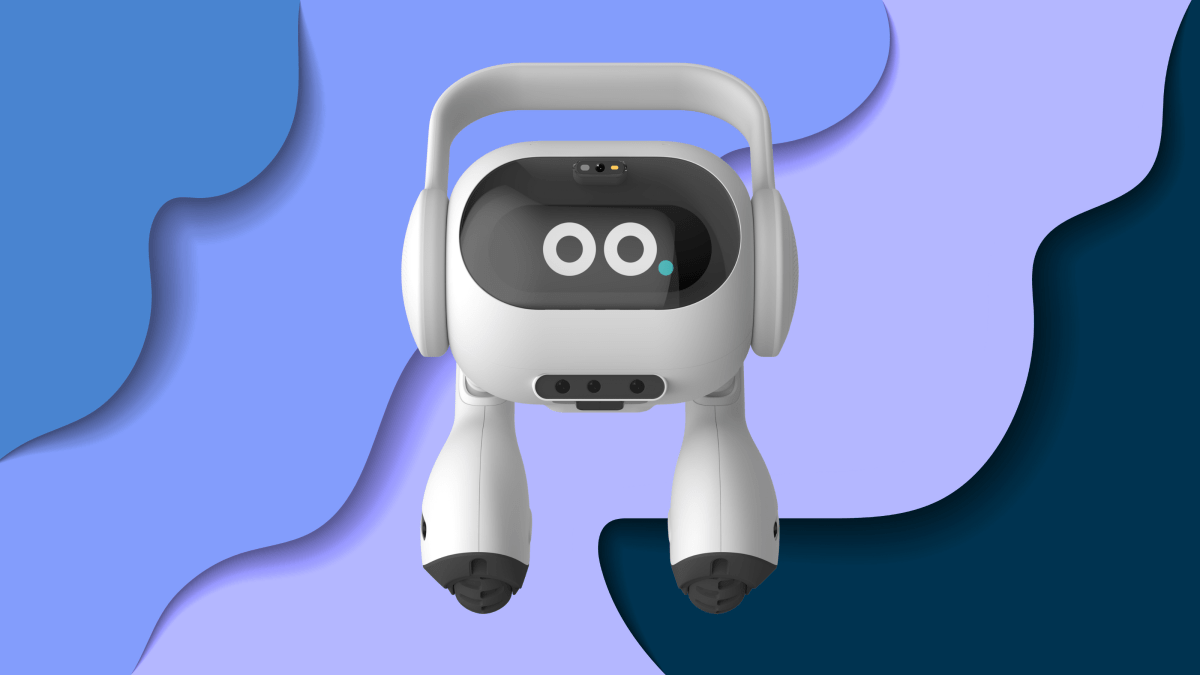
The Next Frontier: Breaking Free from Phone Apps at CES 2024

0

The Next Frontier: Breaking Free from Phone Apps at CES 2024

Key Takeaways:

  • The future of technology is moving towards breaking free from traditional phone apps.
  • CES 2024 showcases groundbreaking innovations that aim to revolutionize how we interact with technology.
  • Emphasize quality content to improve search rankings and engage with your target audience.
  • The Next Frontier: Embracing the Future of Technology at CES 2024

    The Consumer Electronics Show (CES) 2024, one of the most highly anticipated tech shows, has just concluded. Each year, CES brings together industry leaders, innovators, and technology enthusiasts from around the world, showcasing the latest breakthroughs that will shape our future.

    An Evolving Landscape

    For years, phone apps have been an indispensable part of our lives. From messaging apps to social media platforms, they have revolutionized how we communicate, stay connected, and access information. However, the rapid advancements in technology have new and exciting innovations in store for us. CES 2024 provides a glimpse into the next frontier: breaking free from the limitations of phone apps.

    The Rise of Augmented Reality

    One of the most talked-about trends at CES 2024 was the rise of augmented reality (AR). This technology offers a new way to experience digital content by integrating it seamlessly with the real world. AR applications range from gaming and entertainment to educational and professional settings.

    Imagine exploring a museum and using your smartphone or smart glasses to bring historical artifacts to life. Or envision attending a concert where digital overlays create an immersive audiovisual experience. With AR, the possibilities are endless, and we are only scratching the surface of its potential.

    Beyond Conventional Interfaces

    At CES 2024, we witnessed a shift away from conventional screen-based interfaces towards more intuitive and immersive ways of interaction. Gesture control, for example, allows users to navigate digital interfaces and control devices through simple hand movements. This trend opens up new possibilities for accessibility and enhances the user experience.

    Artificial Intelligence: The Heart of the Future

    Artificial intelligence (AI) has been a focal point of technological advancements in recent years, and CES 2024 showed us exactly why. AI-powered devices and solutions were in the spotlight, showcasing their ability to enhance various aspects of our lives.

    Imagine a world where your smart home intuitively adjusts the temperature, lighting, and ambiance based on your preferences and daily routines. Or picture a personal AI assistant that schedules appointments, manages your tasks, and even anticipates your needs. With AI, our devices become smarter and more intuitive, seamlessly integrating into our daily lives.

    From Content Consumers to Content Creators

    CES 2024 urged us to think beyond being mere consumers of technology. As the boundaries between technology and creativity continue to blur, individuals are encouraged to become content creators themselves. This shift has significant implications for the way we consume, engage with, and share content.

    Storytelling Revolutionized

    Content creators now have access to powerful tools and technologies that enable them to tell stories like never before. From immersive virtual reality experiences to hyper-realistic animations, creators can transport their audiences to new and exciting worlds.

    Furthermore, advancements in AI and machine learning have unlocked new possibilities in video editing and content creation. Automated algorithms can now analyze footage and suggest the best possible edits, empowering creators with unprecedented efficiency and creativity.

    The Power of Collaboration

    CES 2024 emphasized the importance of collaboration in shaping the future of technology. Industry leaders, innovators, and even consumers are coming together to co-create the next generation of solutions. This collaborative mindset allows for the exchange of ideas and knowledge, propelling innovation forward.

    Start-ups and established companies alike showcase their latest technologies at events like CES, fostering an ecosystem of innovation where the boundaries between industries are blurred, and great ideas can come from unexpected places. To truly break free from phone apps, it will take a collective effort from all stakeholders to shape the future we want to see.

    Conclusion

    CES 2024 presented a captivating glimpse into the future, free from the limitations of traditional phone apps. Augmented reality, gesture control, and the power of artificial intelligence showcased the potential to revolutionize the way we interact with technology.

    As we embrace these advancements, it is essential to prioritize the delivery of high-quality content. While content alone may not guarantee top search rankings and user engagement, it remains a critical component of a successful digital presence. By crafting captivating and valuable content, you can build trust with your audience, establish yourself as a thought leader, and keep up with the ever-evolving landscape of technology.

    Frequently Asked Questions

    What were the key trends at CES 2024?
    Key trends at CES 2024 included augmented reality, gesture control, and artificial intelligence.
    How can I adapt to the changing landscape of technology?
    Stay updated on emerging technologies, experiment with new tools and platforms, and embrace a collaborative mindset.
    What role does content quality play in search rankings?
    Although there are many factors that affect search rankings, quality content remains crucial in engaging users and building a reputable online presence.
    How can I become a content creator?
    Start by identifying your passions and areas of expertise. Then, leverage available tools, such as video editing software and AI-powered platforms, to bring your ideas to life.
    Why is collaboration important in shaping the future of technology?
    Collaboration encourages diverse perspectives and the exchange of ideas, resulting in more innovative and inclusive solutions.

    Source: insidertechno.com

    Protecting Your Finances: Urgent Calls for Enhanced Cybersecurity Measures Prompted by Recent Account Hack

    0

    Protecting Your Finances: Urgent Calls for Enhanced Cybersecurity Measures Prompted by Recent Account Hack

    The Importance of Strengthening Cybersecurity Measures in Protecting Your Finances

    As technology continues to advance, so do the strategies employed by hackers to compromise personal financial accounts. The recent surge in cyber attacks has prompted urgent calls for enhanced cybersecurity measures to safeguard our hard-earned money. In this article, we will explore the significance of protecting your finances and the steps you can take to fortify your online security. Let’s dive in!

    Understanding the Gravity of the Situation

    With each passing day, more individuals fall victim to cybercrimes that target their financial assets. From a seemingly harmless phishing email to a full-scale data breach, hackers leverage various methods to gain unauthorized access to sensitive information. Such compromising situations highlight the dire need for robust cybersecurity measures to give your finances the protection they deserve.

    The consequences of a successful cyber attack can be severely detrimental. Personal information, including bank account details, credit card numbers, and social security numbers, can be stolen and abused. Cybercriminals often exploit these stolen digital identities for fraudulent financial activities, leaving victims to deal with the devastating aftermath.

    Moreover, a breach in online security can have lasting repercussions on your financial stability. You could face hefty financial losses, inflated credit card bills, and the arduous task of rebuilding your credit score. Consequently, it is crucial to remain proactive and take the necessary steps to safeguard your financial assets effectively.

    Recognizing & Combating Common Cyber Threats

    Before equipping ourselves with effective cybersecurity measures, it is essential to comprehend the potential threats we face on a daily basis. By staying informed about prevalent cyber threats, we can develop an improved sense of vigilance and strategically protect our finances from harm.

    One of the most common cyber threats individuals encounter is phishing attempts. Phishing refers to the deceitful practice of posing as a trustworthy entity to trick victims into providing sensitive data such as login credentials. These malicious scams often utilize emails, text messages, or phone calls to trick unsuspecting individuals into revealing their personal information.

    To combat phishing attempts, exercise caution with emails or messages that demand urgent action and appear suspicious in nature. Be wary of opening attachments or clicking on links from unrecognized sources. Instead, independently verify the legitimacy of such messages by contacting the purported sender through an official channel.

    Additionally, hacking incidents through malware infections pose a significant risk to financial security. Malware refers to malicious software that cybercriminals use to gain unauthorized access to devices and compromise sensitive information. These programs are often disguised as seemingly harmless downloads or pop-up ads.

    To protect your finances from malware attacks, ensure that you have reliable antivirus software installed on all your devices. Regularly update your operating system and applications to patch any vulnerabilities. Avoid downloading files or clicking on links from untrusted sources, as they may serve as gateways for malware installation.

    Beefing Up Your Cybersecurity Arsenal

    Now that we understand the gravity of the situation and the common cyber threats we face, it’s time to reinforce our cybersecurity arsenal with effective measures. By implementing a multi-layered approach, we can minimize the risk of falling victim to cyber attacks and ensure the protection of our valuable financial assets.

    Consider employing the following strategies:

    • Utilize Strong and Unique Passwords: Ensure that you choose complex and unique passwords for all your accounts. A strong password consists of a combination of uppercase and lowercase letters, numbers, and special characters. Additionally, make use of password managers for added convenience and security.
    • Enable Two-Factor Authentication (2FA): 2FA adds an extra layer of security to your online accounts by requiring a secondary form of verification, such as a fingerprint or SMS code. By enabling 2FA, even if your password gets compromised, hackers will have an additional barrier to overcome before accessing your financial information.
    • Regularly Update Software: Keeping your devices and applications up to date is crucial in minimizing security vulnerabilities. Set your devices and software to automatically apply updates, or regularly check for and install updates manually.
    • Be Cautious of Public Wi-Fi Networks: Public Wi-Fi networks are notorious for security risks. Avoid making financial transactions or accessing sensitive information while connected to unsecured networks. Instead, consider using a virtual private network (VPN) for secure browsing and data encryption.
    • Monitor Your Accounts: Regularly review your bank statements, credit card bills, and other financial accounts for any suspicious activities. If you notice any unauthorized transactions, report them immediately to your financial institution. Prompt action can prevent further damage and help protect your overall financial well-being.

    Frequently Asked Questions

    Is it necessary to update my passwords frequently?
    While it is generally recommended to update passwords periodically, focusing on using strong and unique passwords is of utmost importance. Ensure that your passwords are not easily guessable and avoid reusing passwords across different platforms.

    How can I spot a phishing email?
    Phishing emails often contain urgent requests for personal information, grammatical errors, or suspicious links. Be cautious of such emails and double-check the credibility of the sender before providing any sensitive data.

    What is the advantage of utilizing a password manager?
    Password managers securely store and generate strong passwords for your various online accounts. They alleviate the burden of remembering multiple passwords while ensuring the safety of your credentials.

    Does enabling 2FA slow down the login process?
    While enabling 2FA adds an extra step during the login process, the enhanced security it provides outweighs the minimal inconvenience. In today’s digital landscape, the protection of your financial assets is paramount.

    How do I choose a reliable VPN service?
    While selecting a VPN service, it is essential to consider factors such as reputation, security protocols employed, and user reviews. Look for VPN providers that offer strong encryption and have transparent privacy policies.

    Key Takeaways:

  • Protecting your finances from cyber attacks is crucial in today’s digital age.
  • Common threats such as phishing and malware must be actively recognized and mitigated.
  • Implementing robust cybersecurity measures, including strong passwords and 2FA, helps fortify online security.
  • Conclusion

    Amidst the escalating risks posed by cyber attacks, it has become imperative for individuals to prioritize the protection of their financial assets. By being proactive and implementing reliable cybersecurity measures, such as utilizing strong and unique passwords, enabling two-factor authentication, updating software regularly, and exercising caution while browsing, you can significantly strengthen your online security.

    Remember, safeguarding your finances is a constant endeavor that demands continuous vigilance. Stay informed about emerging threats and adopt proactive measures to ensure that your hard-earned money remains secure. With a strong cybersecurity arsenal, you can navigate the digital landscape confidently and protect your financial well-being from potential attacks.

    Source: insidertechno.com

    Revolutionizing Eye Health: Discover How Machine Learning Predicts Sight Loss

    0

    Revolutionizing Eye Health: Discover How Machine Learning Predicts Sight Loss

    Revolutionizing Eye Health: Unlocking the Power of Machine Learning to Predict Sight Loss

    Eyes are our windows to the world, enabling us to experience its beauty in all its colors and forms. However, millions of people worldwide suffer from visual impairments and blindness, affecting their quality of life tremendously. The good news is that with recent advancements in technology, specifically in the realm of machine learning, we can now predict sight loss with unprecedented accuracy and help individuals maintain their precious vision. In this article, we will explore how machine learning is revolutionizing eye health and the incredible potential it holds for the future.

    The Power of Machine Learning in Eye Health

    Machine learning, a subset of artificial intelligence (AI), is the process of training computers to learn and make predictions based on data patterns. When it comes to eye health, machine learning algorithms have shown great promise in early detection, diagnosis, and longitudinal monitoring of various eye conditions and diseases that can lead to sight loss.

    By analyzing large datasets of medical records, images, genetic information, and lifestyle factors, machine learning algorithms can identify patterns that would be impossible for human experts to perceive. These algorithms can then predict the likelihood of an individual developing certain eye conditions, enabling early intervention and personalized treatment plans.

    Early Detection and Diagnosis

    One of the most significant advantages of machine learning in eye health is the ability to detect and diagnose eye conditions much earlier than traditional methods. By feeding the algorithms with massive amounts of data, including medical images, patient records, and even genetic information, machine learning models can learn to identify subtle signs and patterns associated with different eye conditions.

    These models can analyze retinal images, for example, to detect early signs of macular degeneration, diabetic retinopathy, glaucoma, and other progressive conditions. By identifying these conditions at their nascent stages, healthcare professionals can intervene promptly, preventing further vision loss and preserving their patients’ eyesight.

    Personalized Treatment Plans

    Machine learning algorithms not only aid in the early detection and diagnosis of eye conditions, but they also contribute to the development of personalized treatment plans. Each individual’s susceptibility to eye diseases and response to treatments varies based on factors such as medical history, lifestyle, genetics, and environmental influences.

    By analyzing vast amounts of data, machine learning algorithms can formulate treatment plans tailored to an individual’s specific needs. This personalized approach ensures patients receive the most effective interventions, reducing the risk of complications and maximizing treatment outcomes.

    The Integration of Wearable Technology

    Wearable devices are becoming increasingly prevalent in our daily lives, and their potential in the field of eye health is unmistakable. These devices, equipped with high-resolution cameras, can capture real-time data about individuals’ eye movements, visual perception, and even environmental factors.

    Machine learning algorithms can analyze this data to monitor changes in visual function, providing valuable insights into an individual’s eye health status. These insights are particularly helpful for individuals with progressive eye conditions, enabling healthcare professionals to track their disease progression in real-time and adjust treatment plans accordingly.

    The Future of Eye Health with Machine Learning

    The advancements in machine learning for eye health are just the tip of the iceberg. As technology continues to evolve, we can expect even greater precision, accuracy, and efficiency in predicting and preventing sight loss.

    With continued research and innovation, we may soon see machine learning algorithms being integrated into routine health screenings, allowing for earlier and more accurate diagnoses of eye conditions. Moreover, these algorithms can aid in predicting the progression of conditions, facilitating timely treatment adjustments and minimizing vision impairment.

    Ultimately, machine learning has the potential to revolutionize eye health by improving the accessibility, affordability, and effectiveness of eye care services. By harnessing the power of this remarkable technology, we can work towards a future where preventable sight loss becomes a thing of the past, ensuring that everyone can continue to see the world with clarity and wonder.

    Key Takeaways:

  • Machine learning provides unprecedented potential for predicting and preventing sight loss.
  • Early detection and diagnosis enable timely interventions, preventing further vision impairment.
  • Personalized treatment plans can be developed based on individual characteristics and needs.
  • Frequently Asked Questions

    Q: Can machine learning completely prevent sight loss?
    A: While machine learning can significantly contribute to the early detection and prevention of sight loss, it cannot guarantee complete prevention in all cases. However, it greatly increases the chances of preserving vision through timely interventions.
    Q: How does machine learning aid in personalized treatment plans?
    A: Machine learning algorithms analyze diverse data to understand an individual’s unique characteristics, enabling healthcare professionals to develop personalized treatment plans that address specific needs effectively.
    Q: Can wearable devices replace regular eye check-ups?
    A: Wearable devices and machine learning algorithms enhance eye health monitoring but should not replace regular eye check-ups conducted by qualified ophthalmologists. These check-ups provide comprehensive assessments that include various tests beyond what wearable devices can capture.

    Conclusion

    Machine learning is fundamentally transforming the field of eye health, empowering healthcare professionals to predict and prevent sight loss. Through early detection, personalized treatment plans, and the integration of wearable technology, we can give individuals the best chance to maintain their vision and preserve their quality of life. The future holds even more exciting possibilities as research and innovation continue to unlock the full potential of machine learning in revolutionizing eye health. Let us work together to make universal access to preventive eye care a reality.

    Source: insidertechno.com

    Safeguarding Your Finances: Singapore Sets Out Safety Standards for High-Risk Monetary Apps

    0

    Safeguarding Your Finances: Singapore Sets Out Safety Standards for High-Risk Monetary Apps

    Key Takeaways:

  • Singapore has introduced safety standards for high-risk monetary apps to safeguard your finances.
  • The new guidelines aim to protect consumers from fraudulent activities and data breaches.
  • Financial institutions and app developers must comply with these safety requirements to ensure user trust and confidence.
  • Safeguarding Your Finances: Singapore’s Safety Standards for High-Risk Monetary Apps

    In an era where technology plays a central role in our lives, the use of mobile apps for financial transactions has become increasingly prevalent. Be it mobile banking or payment apps, individuals rely on them for the convenience and speed they offer. However, with cyber threats growing more sophisticated, ensuring the safety and security of these apps and the sensitive financial information they hold has become a priority.

    Safety Standards for High-Risk Monetary Apps in Singapore

    In response to these concerns, Singapore has taken proactive steps by setting out safety standards for high-risk monetary apps. The Monetary Authority of Singapore (MAS) has introduced these guidelines to safeguard the interests of consumers and prevent potential financial frauds or data breaches. These rules address various vulnerabilities and outline safety requirements that developers and financial institutions must adhere to.

    The Importance of Safety Standards

    With the increasing use of mobile apps for financial transactions, the risk of security breaches and fraudulent activities grows. Users share sensitive personal information through these apps, making them potential targets for cybercriminals. This is where safety standards play a crucial role in mitigating risks and ensuring the security and trustworthiness of monetary apps.

    If users are not confident in the safety of these apps, they may hesitate to engage in financial transactions through them. By setting out safety standards, Singapore aims to build trust and confidence among users, making them more likely to adopt and use high-risk monetary apps without fear of fraud or compromised data.

    Compliance with Safety Requirements

    Financial institutions and app developers have a responsibility to comply with the safety requirements laid out by the MAS. These standards pertain to both the development and ongoing operation of high-risk monetary apps, ensuring that they are built and maintained securely.

    Developers must carefully consider security measures right from the app’s design phase, implementing encryption, secure user authentication processes, and strong data protection protocols. Regular security audits and vulnerability testing should also be conducted to identify potential weaknesses and address them promptly. By complying with these safety standards, app developers play a crucial role in protecting users’ financial information.

    Financial institutions that offer high-risk monetary apps should also ensure that they comply with the same safety requirements. They must have robust policies and procedures in place to prevent fraud and data breaches, as well as mechanisms to respond promptly and effectively in case of any incidents.

    The Role of Strong and Adequate Cybersecurity Measures

    One prominent aspect of ensuring the safety of high-risk monetary apps lies in implementing strong cybersecurity measures. These measures involve safeguarding against both external threats, such as hacking or phishing attempts, and internal issues like unauthorized access or data mishandling.

    Encryption is a key security practice that protects sensitive data by converting it into a code that only authorized parties can decipher. By incorporating encryption into the design of high-risk monetary apps, developers enhance data protection, making it significantly more difficult for cybercriminals to steal or misuse personal information.

    Additionally, multi-factor authentication adds an extra layer of security to the app, requiring users to provide multiple pieces of evidence to prove their identity. This reduces the likelihood of unauthorized access and helps ensure that only legitimate users can access the app and its functionalities.

    Ongoing monitoring and threat detection systems are also crucial in maintaining the security of high-risk monetary apps. Precise monitoring allows for the identification of any suspicious activities, enabling immediate action to mitigate potential risks. With threat detection mechanisms in place, financial institutions and developers can promptly respond to security breaches, minimizing the impact and ensuring the safety of their users’ finances.

    Frequently Asked Questions

    Q: Why are safety standards necessary for high-risk monetary apps in Singapore?
    A: Safety standards are necessary to protect consumers’ interests, mitigate fraud risks, and build trust and confidence in high-risk monetary apps.

    Q: Who is responsible for complying with these safety requirements?
    A: Both app developers and financial institutions offering high-risk monetary apps are responsible for adhering to the safety standards set by MAS.

    Q: What are some key cybersecurity measures that should be implemented in high-risk monetary apps?
    A: Strong encryption, multi-factor authentication, and robust monitoring and threat detection systems are essential cybersecurity measures for safeguarding high-risk monetary apps.

    Conclusion

    The introduction of safety standards for high-risk monetary apps signifies Singapore’s commitment to ensuring the protection of consumers’ finances in the digital realm. These guidelines serve as a roadmap for app developers and financial institutions, setting clear expectations and requirements to maintain the security and trustworthiness of such apps.

    By complying with these safety standards, developers and financial institutions can instill confidence in users and foster widespread adoption of high-risk monetary apps. With robust cybersecurity measures in place, individuals can engage in financial transactions without fear of fraud, establishing a secure and convenient digital economy.

    Source: insidertechno.com

    The Surprising Link Between Smart Devices and Unhealthy Habits: What Steve Jobs Didn’t Anticipate

    0

    The Surprising Link Between Smart Devices and Unhealthy Habits: What Steve Jobs Didn’t Anticipate

    The Impact of Smart Devices on Unhealthy Habits: Insights Ignored by Steve Jobs

    The Surprising Link Between Smart Devices and Unhealthy Habits: What Steve Jobs Didn’t Anticipate

    Introduction

    The emergence of smart devices has revolutionized the way we live. These devices make our lives more convenient and connected, enabling us to access information, communicate with others, and perform tasks with ease. However, what Steve Jobs, the late co-founder of Apple, didn’t anticipate was the potential link between smart devices and unhealthy habits. In this article, we will explore the unexpected impact of smart devices on our well-being and the potential risks associated with their excessive use.

    Key Takeaways:

  • Smart devices have permeated all aspects of our lives, offering convenience and connectivity.
  • Prolonged use of smart devices can lead to several unhealthy habits, affecting our physical and mental well-being.
  • Awareness, moderation, and healthy device usage habits can help mitigate the negative effects of smart devices.
  • The Convenience of Smart Devices

    Smartphones, tablets, and other smart devices have become an integral part of our daily routines. From checking emails to social media updates, these devices offer instant access to a wealth of information and entertainment. Their convenience enables us to stay connected with friends and family, work remotely, and efficiently organize our lives.

    Despite these benefits, the excessive use of smart devices can negatively impact our health, both physically and mentally. Let’s dive deeper into the surprising link between smart devices and the development of unhealthy habits.

    The Rise of Sedentary Lifestyles

    One of the most concerning changes brought about by the increased use of smart devices is the rise of sedentary lifestyles. People spend hours glued to their screens, whether browsing social media, streaming videos, playing games, or texting. This prolonged sitting often replaces physical activities such as exercise, contributing to sedentary behaviors that can lead to weight gain, cardiovascular issues, and other health problems.

    Disrupted Sleep Patterns

    The constant exposure to screens and the blue light emitted by smart devices can disrupt our sleep patterns. Many individuals have developed the habit of using their smartphones or tablets before bedtime, hindering the body’s ability to wind down naturally. This reliance on screens before sleep leads to reduced sleep quality and can result in insomnia, fatigue, and daytime sleepiness.

    Increased Stress and Mental Health Concerns

    While technology was intended to make our lives easier, excessive use of smart devices has led to increased stress levels for many individuals. The constant notifications, digital overload, and perceived pressure to always be connected can create anxiety and an incessant need to stay updated. Moreover, the addictive nature of certain apps, social media platforms, and online gaming can contribute to mental health concerns such as depression, decreased self-esteem, and social isolation.

    Unhealthy Habits Unmasked

    Despite the conveniences offered by smart devices, we need to be mindful of the potential unhealthy habits they can cultivate. Let’s shine a light on some of these habits that have emerged as an unintended consequence of the digital age.

    .01
    Unrestricted Device Usage

    Smart devices have opened up endless possibilities for us, allowing access to the vast online world wherever we go. However, this freedom can become detrimental when individuals find it difficult to detach themselves from their devices. Whether it’s aimless scrolling through social media or losing hours to mindless multitasking, unrestricted device usage can consume valuable time and negatively impact productivity.

    .02
    Poor Posture and Musculoskeletal Problems

    Consider the posture adopted while using a smartphone or tablet – it often involves bending the neck, slouching the shoulders, and straining the wrists. Prolonged periods of maintaining such improper posture can contribute to musculoskeletal problems, including neck pain, text neck syndrome, and carpal tunnel syndrome. The surge in cases related to poor posture owes its prevalence to increased smart device usage.

    .03
    Decreased Face-to-Face Interaction

    While smart devices enhance communication through instant messaging and video calls, they have also impacted personal relationships and face-to-face interactions. Instead of engaging in stimulating conversations with friends and family members during gatherings, people often find themselves engrossed in their screens. This lack of direct interaction can lead to feelings of loneliness, isolation, and weakened social connections.

    .04
    Attention Deficit and Reduced Focus

    The constant notifications, alerts, and content barrage experienced through smart devices can significantly impact our attention span and ability to concentrate. Research suggests that the brain often adjusts and becomes used to constant stimuli, making it difficult to remain focused on a single task. This tendency for divided attention can hinder productivity, impair learning, and contribute to decreased cognitive abilities over time.

    .05
    Unhealthy Food Choices and Overeating

    Smart devices have sparked a new era of online food delivery services, making it effortless to have meals delivered to your doorstep. While this may seem convenient, it also promotes unhealthy food choices and encourages overeating. The proliferation of food apps and advertisements on smart devices constantly tempts users to indulge in unhealthy snacking and fast food, contributing to weight gain and poor dietary habits.

    The Path to Moderation and Healthy Device Usage

    While it’s crucial to acknowledge the risks associated with smart devices, it’s equally important to adopt strategies that promote moderate and healthy usage. Here are some tips to help you strike a balance between enjoying the benefits of technology and safeguarding your well-being.

    .01
    Device Usage Awareness

    Start by developing an awareness of your device usage and how it affects various aspects of your life. Tracking your screen time through apps or setting device-free hours can help you understand your level of dependency. By recognizing patterns and habits, you can take proactive measures to limit excessive usage and regain control over your time.

    .02
    Set Usage Boundaries

    Establishing clear boundaries around your device usage can help prevent it from encroaching on other aspects of your life. Define specific times or situations when you will prioritize device-free interactions, such as during meals or before bedtime. This will not only allow you to engage and connect with loved ones but also foster a healthier relationship with technology.

    .03
    Practice Digital Detoxes

    Periodically stepping away from your devices by practicing digital detoxes can be incredibly beneficial. Designate specific days or weekends as gadget-free zones, allowing yourself to engage in activities that don’t involve screens. This could include spending time in nature, reading books, pursuing hobbies, or simply enjoying quality time with loved ones.

    .04
    Prioritize Physical Activity

    Combat the sedentary habits associated with smart devices by incorporating regular physical activity into your routine. Aim for at least 30 minutes of moderate exercise each day or engage in activities that get you moving, such as walking, cycling, or dancing. Regular exercise not only promotes physical health but also enhances mental well-being and reduces stress.

    .05
    Establish a Sleep Routine

    Create a bedtime routine that excludes screens for at least an hour before sleep. Engage in relaxing activities, such as reading a book or practicing mindfulness, to signal to your body that it’s time to wind down. Implementing a consistent sleep schedule and avoiding screen time close to bedtime will contribute to better sleep quality and overall well-being.

    Key Takeaways:

  • Developing an awareness of device usage is crucial to understanding its impact on your life.
  • Setting boundaries around your device usage ensures a balance between screen time and real-life interactions.
  • Periodic digital detoxes and prioritizing physical activity and sleep promote a healthier relationship with technology.
  • Frequently Asked Questions

    Q: Can smart devices cause addiction?
    A: While smart devices themselves are not addictive, certain apps and activities associated with them can lead to addictive behaviors. It’s essential to use devices mindfully and recognize when it starts negatively impacting your life.

    Q: Do smart devices directly cause mental health problems?
    A: Smart devices indirectly contribute to mental health concerns by exacerbating issues such as stress and anxiety. Their excessive use can lead to decreased self-esteem, social isolation, and other problems.

    Q: What steps can I take to limit excessive device usage in children?
    A: Establish and enforce clear usage rules, allocate device-free hours, provide alternative activities, and engage in open discussions with children to raise awareness about the importance of balanced device usage.

    Conclusion

    In conclusion, the remarkable convenience offered by smart devices cannot overshadow the unhealthy habits they may inadvertently foster. The link between excessive smart device usage and sedentary lifestyles, disrupted sleep patterns, stress, and mental health concerns is undeniable. Yet, awareness, moderation, and the implementation of healthy device usage habits pave the way for a balanced and fulfilling life in the digital era. By adopting these strategies, we can utilize smart devices to their fullest potential while protecting our physical and mental well-being.

    Source: insidertechno.com

    IIT Patna’s Game-Changing Opportunity: Master Edge Computing in Just 8 Weeks!

    0

    IIT Patna’s Game-Changing Opportunity: Master Edge Computing in Just 8 Weeks!

    IIT Patna: Unleash the Power of Edge Computing in 8 Weeks

    Are you ready to seize a game-changing opportunity to master edge computing? Look no further than IIT Patna’s cutting-edge program designed to equip you with the necessary skills in just 8 weeks. In this article, we’ll dive into the world of edge computing, the advantages it offers, and how IIT Patna’s program can transform your career. With an emphasis on clear, concise writing and search engine optimization (SEO), we’ll ensure that you get the full scoop in the most accessible way possible.

    Understanding the Power of Edge Computing

    Edge computing is a revolutionary concept that aims to bring computing power closer to the source of data generation. Instead of relying solely on centralized cloud services, edge computing enables data processing at or near the source. Edge devices, such as sensors, laptops, and smartphones, become self-reliant nodes for data analysis, storage, and processing.

    This paradigm shift offers several significant advantages. First and foremost, it reduces latency by minimizing the distance that data needs to travel. As a result, real-time processing and decision-making become possible, making edge computing invaluable for time-critical applications like autonomous vehicles and telemedicine. Additionally, edge computing reduces the strain on centralized cloud infrastructure, leading to lower operational costs.

    The Increasing Demand for Edge Computing Professionals

    The demand for professionals with expertise in edge computing has been soaring across various industries. As organizations seek to leverage the transformative power of edge computing, they’re on the hunt for skilled individuals who can develop, deploy, and maintain edge solutions. This rapidly expanding job market presents a real window of opportunity for those who are ready to embrace the potential of edge computing and prove their mettle in the digital landscape.

    While the demand for edge computing professionals grows, the supply of talent has not kept pace. This has led to a talent gap, which stands as a golden chance for those who are seeking a career path with longevity and immense growth potential. By acquiring the necessary skills in edge computing, you can position yourself at the forefront of a rapidly evolving field and open doors to exciting career prospects.

    The IIT Patna Advantage

    Now that we’ve established the profound impact of edge computing, you’re probably curious about what makes IIT Patna’s program stand out from the rest. Here are a few reasons why embracing IIT Patna’s game-changing opportunity could be the turning point in your career:

    World-Class Faculty and Comprehensive Curriculum

    IIT Patna boasts a team of exceptionally talented faculty members who are deeply knowledgeable about edge computing. They bring a diverse range of experience from the academic world as well as the industry, ensuring a holistic understanding of the subject matter. Additionally, the program’s curriculum has been meticulously designed to cover all the foundational and advanced aspects of edge computing, providing you with a comprehensive skillset.

    Practical Hands-On Training

    Learning by doing is a fundamental principle at IIT Patna. The program offers extensive practical training, giving you hands-on experience with real-world problem-solving. By participating in hands-on workshops, projects, and industry collaborations, you’ll be armed with the practical skills to tackle edge computing challenges head-on.

    Network and Collaborate with Industry Experts

    IIT Patna’s program offers unparalleled opportunities to connect and collaborate with industry experts and professionals. Through seminars, webinars, and networking sessions, you’ll gain invaluable insights into the field and build relationships that can propel your career.

    Frequently Asked Questions

    Question 1: What are the admission requirements for the program?

    Answer 1: The admission requirements for IIT Patna’s edge computing program include a bachelor’s degree in a relevant field, a competitive entrance exam, and a thorough evaluation of your academic and professional background.

    Question 2: Can I pursue this program part-time or is it only available on a full-time basis?

    Answer 2: Currently, the program is only available on a full-time basis to ensure immersive learning and maximum engagement with the curriculum and practical training.

    Key Takeaways:

    – Edge computing brings computing power closer to the source of data generation, reducing latency and enabling real-time processing.
    – The demand for professionals skilled in edge computing is rapidly growing, presenting lucrative career opportunities.
    – IIT Patna’s program offers world-class faculty, practical hands-on training, and networking opportunities with industry experts.

    Conclusion

    In conclusion, IIT Patna’s program on mastering edge computing in just 8 weeks is an unparalleled opportunity that can propel your career to new heights. With the exponential growth of edge computing and its potential to revolutionize industries, acquiring the necessary skills is crucial. By enrolling in IIT Patna’s program, you’ll gain a competitive edge, practical experience, and a network of professionals that can open up a world of possibilities. Get ready to embrace the power of edge computing and transform your future!

    Source: insidertechno.com

    Mastered 30 Programming Languages in Just 25 Years: Unleashing the Secrets of My Journey

    Mastered 30 Programming Languages in Just 25 Years: Unleashing the Secrets of My Journey

    Key Takeaways:

  • Mastering multiple programming languages requires persistence and dedication.
  • A strategic approach to learning programming languages can help accelerate the process.
  • Constantly challenging yourself and staying up to date with the latest language trends is crucial.
  • Unleashing the Secrets of My Journey: Mastering 30 Programming Languages in Just 25 Years

    When it comes to programming, versatility is key. In today’s fast-paced digital world, developers who can adapt to various programming languages have a significant advantage over their peers. Imagine being fluent in not just one or two programming languages, but 30! This article uncovers the secrets behind my journey to mastering these 30 programming languages within a span of 25 years in the industry.

    The Curious Beginning: Opening My Eyes to the World of Programming

    My journey began more than two decades ago when I first stumbled upon a programming book in the library. At that time, computers fascinated me, but I had no idea how they actually worked. The book introduced me to the fundamentals of programming and sparked my curiosity to dive deeper into this field. Thus, my quest to master programming languages took flight.

    The Pursuit of Knowledge: Nurturing the Jack-of-All-Trades Mindset

    I quickly realized that to become a proficient programmer, I needed to learn multiple programming languages. Instead of fixating on just one language, I embraced a jack-of-all-trades mindset. The goal was to equip myself with diverse programming skills that would allow me to adapt to different projects and industries.

    In the beginning, I opted for languages that shared similarities, which facilitated the learning process. For example, I started with C, a foundational programming language, and gradually explored its variants like C++, C#, and Objective-C. Building a strong foundation in one language significantly eased the transition to others, enabling me to grasp new syntax and concepts more easily.

    The Importance of Strategy: A Study Plan for Effective Learning

    While passion and curiosity will drive you to learn programming languages, having a strategy will help optimize your learning process. Here is a breakdown of the steps I followed to efficiently grasp each language:

    1. Research: Before diving into a new language, I conducted thorough research to understand its applications, industry demand, and learning resources available.
    2. Tutorial-Based Learning: I leveraged online tutorials, ebooks, and video courses to familiarize myself with the syntax and core concepts of each language.
    3. Hands-On Projects: To solidify my understanding, I embarked on personal projects that challenged me to apply the language to real-world scenarios. This hands-on experience played a pivotal role in honing my skills.
    4. Collaboration and Networking: I actively participated in programming communities and joined coding forums to interact with fellow experienced programmers. Engaging in discussions and collaborating on projects not only fostered new perspectives but also expanded my professional network.
    5. Continual Learning: Programming languages are dynamic and ever-evolving. To stay ahead of the curve, I allocated time for constant learning and improvement. I set aside dedicated hours each week to explore new features, libraries, and frameworks within each language.

    Overcoming Challenges: Perseverance in the Face of Obstacles

    Learning programming languages is not always an easy journey. It comes with its fair share of challenges. The key is to remain persistent and keep pushing forward even during testing times. Here are some obstacles I encountered and how I managed to overcome them:

    Language Overload: Managing Information Overload

    When you embark on the endeavor to master multiple programming languages, information overload becomes a daunting challenge. Each language has its own unique syntax, rules, and best practices. It’s easy to feel overwhelmed and confused.

    To combat this, I developed effective note-taking strategies. Breaking down each language into smaller, manageable components enabled me to absorb and retain information more efficiently. Regularly reviewing these notes helped ingrain the language concepts in my memory.

    Time Constraints: Balancing Learning with Work or Studies

    Committing to mastering programming languages requires a significant investment of time and effort. At the same time, many individuals pursuing this journey have work or study commitments. I faced this challenge myself and found effective ways to balance learning with other responsibilities.

    Firstly, I created a realistic study schedule that accounted for both professional and personal commitments. Allocating specific time slots for learning and dedicated breaks for rest and rejuvenation helped me maintain a healthy work-life-learning balance.

    Secondly, I took advantage of the vast online resources and tutorials available. This allowed me to optimize my learning journey, even with limited time. Online courses with flexible schedules and bite-sized lessons proved invaluable in maximizing my productivity.

    Adapting to Advancements: Staying Relevant in a Dynamic Landscape

    The world of programming is constantly evolving. New languages emerge, while existing languages undergo updates and enhancements. To remain at the forefront, it is crucial to adapt and stay current with the latest trends and technologies.

    Embracing Lifelong Learning: ContinualUpskilling as a Professional Standard

    Reaching a level of proficiency in programming languages is satisfying, but it should never be the end of your journey. I learned early on that complacency leads to obsolescence, and to stay relevant, I had to adopt a mindset of lifelong learning.

    I actively sought out new languages and frameworks to expand my skill set. Whether it was following industry thought leaders, attending technology conferences, or participating in online coding challenges, these activities kept me motivated and consistently learning.

    Knowing When to Pivot: Assessing the Language Landscape

    Language popularity tends to fluctuate over time. Some languages continue to dominate the market, while others lose traction. Recognizing when a language is losing relevance is important to avoid wasted effort.

    To make informed decisions about which languages to prioritize, I constantly monitored industry trends and examined job market demands. By staying vigilant and adaptable, I ensured that my time and efforts were focused on languages with the highest potential for growth and career opportunities.

    How long does it typically take to master a programming language?
    The time it takes to master a programming language varies greatly depending on various factors such as prior programming experience, the complexity of the language, and the time dedicated to learning. However, with consistent effort and practice, one can expect to gain proficiency in a programming language within several months to a year.

    Are there any programming languages that are more difficult to master?
    Yes, certain programming languages are generally considered more challenging due to their complex syntax or specific paradigms. Examples of languages that are often deemed more difficult include Haskell, Prolog, and Assembly Language. However, with dedication and the right learning approach, mastery is within reach for any language.

    [/myfaq]

    Conclusion

    Mastering multiple programming languages is a thrilling journey that requires dedication, perseverance, and a strategic approach to learning. By embracing a jack-of-all-trades mindset, developing effective study plans, and remaining adaptable, you too can carve your path towards fluency in various programming languages. Remember, patience and persistence are key, and the rewards of becoming a versatile programmer are boundless.

    Source: insidertechno.com

    Navigating the Roads of Tomorrow: Game-Changing AI-Powered Car Concepts Unveiled at CES 2024

    0

    Navigating the Roads of Tomorrow: Game-Changing AI-Powered Car Concepts Unveiled at CES 2024

    Key Takeaways:

  • The roads of tomorrow will be transformed by game-changing AI-powered car concepts unveiled at CES 2024.
  • These innovations promise to revolutionize the way we travel and reshape the automotive industry.
  • From autonomous vehicles to advanced safety features, the future of driving is bright and exciting.
  • The Future of Transportation: Revolutionary AI-Powered Car Concepts

    The world of transportation is on the cusp of a transformative revolution. With advancements in artificial intelligence, the automotive industry is set to undergo radical changes. The unveiling of game-changing AI-powered car concepts at CES 2024 has left the world in awe and anticipation of the roads of tomorrow. In this article, we will explore the incredible innovations that promise to redefine the way we travel. From autonomous vehicles to cutting-edge safety features, buckle up and get ready to discover the future of transportation.

    1. Autonomous Driving: Redefining Mobility

    One of the most exciting prospects of AI-powered car concepts is the advent of autonomous driving. Imagine a future where you can relax, work, or simply enjoy the ride while your car takes care of the steering. This technology has the potential to transform the way we commute, making it safer, more efficient, and less stressful.

    Autonomous vehicles operate on a network of sensors, cameras, and advanced algorithms that allow them to perceive and interpret their surroundings. These intelligent machines can analyze traffic patterns, predict road conditions, and make split-second decisions to ensure a smooth and secure journey.

    With self-driving cars taking the wheel, the roads of tomorrow will be characterized by reduced congestion, improved fuel efficiency, and a significant decrease in accidents caused by human error. The integration of AI in automobiles has the potential to save countless lives and revolutionize the concept of transportation.

    2. Connected Cars: A Digital Hub on Wheels

    In today’s interconnected world, it comes as no surprise that cars are becoming more connected than ever before. Thanks to AI-powered car concepts, vehicles are evolving into digital hubs on wheels. These smart cars seamlessly integrate with our digital lives, offering a myriad of interactive features and enhanced capabilities.

    From voice-activated controls to intelligent personal assistants, connected cars allow drivers to effortlessly manage their schedules, access real-time information, and stay connected on the go. With the help of AI, these vehicles can learn from our preferences and personalize the driving experience to suit our needs.

    But the connectivity of AI-powered cars extends beyond the driver’s conveniences. These digital marvels enable vehicle-to-vehicle (V2V) and vehicle-to-infrastructure (V2I) communication, creating a network that enhances safety and efficiency on the roads. Imagine cars seamlessly communicating with each other to avoid collisions and optimizing traffic flow in real time. The future of transportation is truly interconnected.

    3. Enhanced Safety Features: Protecting Lives

    While autonomous driving and connectivity steal the spotlight, let’s not forget the paramount importance of safety. AI-powered car concepts bring forth a new era of vehicle safety, powered by cutting-edge technologies that challenge the limits of what’s possible.

    These innovations include advanced driver-assistance systems (ADAS) that utilize AI algorithms to analyze data from various sensors and alert drivers to potential hazards. From adaptive cruise control to automatic emergency braking, these features work in tandem to prevent accidents and protect lives.

    Additionally, AI algorithms can analyze vast amounts of data gathered during driving to identify patterns and detect potential maintenance issues. Predictive analytics can alert drivers to maintenance needs, preventing breakdowns and prolonging the lifespan of the vehicle.

    Moreover, in the event of an accident, AI-powered cars can automatically alert emergency services and provide accurate crash data that aids in rescue and investigation efforts. The integration of AI into safety features has the potential to drastically reduce the number of road casualties and make driving a safer experience for all.

    Conclusion

    The unveiling of game-changing AI-powered car concepts at CES 2024 marks a pivotal moment in the history of transportation. The roads of tomorrow will be populated by autonomous vehicles that redefine the way we commute. Connected cars will transform the driving experience into a seamless integration of our digital lives. Meanwhile, enhanced safety features powered by AI algorithms will safeguard lives and create a safer environment for drivers and passengers alike.

    As we buckle up for this exciting future, it’s important to acknowledge that these innovations are the result of a collaborative effort between engineers, scientists, and industry leaders. The game-changing concepts unveiled at CES 2024 offer a glimpse into what lies ahead, and the possibilities are truly awe-inspiring.

    Frequently Asked Questions

    Q: Will autonomous vehicles completely replace human drivers?
    A: While autonomous vehicles have the potential to greatly reduce human involvement in driving, it’s unlikely that they will completely replace human drivers in the near future. There will always be a need for human oversight and intervention in certain situations.
    Q: Are AI-powered cars vulnerable to hacking?
    A: Cybersecurity is a top priority in the development of AI-powered cars. Car manufacturers invest heavily in ensuring the safety and integrity of these vehicles’ systems, implementing robust security measures to prevent hacking attempts.
    Q: How will AI-powered car concepts impact the job market for professional drivers?
    A: The introduction of autonomous vehicles may have some impact on the job market for professional drivers. However, as technology advances, new job opportunities in the field of autonomous vehicle management, maintenance, and oversight will also emerge.

    Source: insidertechno.com

    Discover the Mind-Blowing MHL Support on Vivo Mobile: A Must-Read Review!

    0

    Discover the Mind-Blowing MHL Support on Vivo Mobile: A Must-Read Review!

    Discover the Game-Changing MHL Support on Vivo Mobile: A Must-Read Review!

    Introduction

    Vivo Mobile is revolutionizing the smartphone industry with its mind-blowing MHL support. In this comprehensive review, we will delve into the exciting features offered by Vivo Mobile and explore how this technology enhances your phone usage experience. If you’re ready to unlock a whole new level of smartphone functionality, keep reading to discover the incredible potential of Vivo Mobile’s MHL support.

    Key Takeaways:

  • Vivo Mobile offers unparalleled MHL support, revolutionizing your smartphone experience.
  • Experience seamless connectivity between your phone and external display devices.
  • Enjoy 4K resolution, immersive audio, and real-time charging capabilities with MHL support.
  • Connecting the Dots: What is MHL Support?

    MHL stands for Mobile High-Definition Link. It is the technology that allows you to connect your Vivo Mobile device to external display devices such as televisions and monitors. With MHL support, you can mirror your phone’s screen, play games, watch videos, showcase presentations, and even browse the internet on a larger display.

    The Power of Seamless Connectivity

    Say goodbye to squinting at your phone’s small screen during important presentations or while enjoying your favorite media content. Vivo Mobile’s MHL support seamlessly connects your phone to a compatible display device, giving you the freedom to view and interact with your phone’s content on a larger screen. Whether you’re giving a business presentation or sharing a memorable video with friends, MHL support elevates your viewing experience to new heights.

    Immersive Visuals in 4K

    Thanks to Vivo Mobile’s MHL support, you can enjoy your media in stunning 4K resolution. Whether you’re streaming high-quality videos or playing graphics-intensive games, MHL support ensures every detail comes to life on the big screen. Immerse yourself in a breathtaking visual experience that rivals the picture quality of top-of-the-line televisions. Witness vibrant colors, sharp contrast, and unparalleled clarity like never before.

    Audio that Envelops You

    Not only does Vivo Mobile’s MHL support enhance your visual experience, but it also transforms your audio consumption. Connect your phone to external speakers or home theater systems via MHL support and immerse yourself in rich, high-fidelity sound. Feel the impact of explosions, the subtleties of whispers, and the power of music reverberating through your surroundings. Whether you’re watching movies, playing music, or engaging in online meetings, MHL support ensures your auditory sense is captivated.

    Demos, Live Streaming, and More

    Vivo Mobile’s MHL support takes your phone past the boundaries of its screen. With the ability to connect to external display devices, you can participate in live streaming events, showcase demos or presentations, or even conduct video conferences on bigger screens. MHL support empowers you to harness the full potential of your Vivo Mobile device, making it an excellent companion for both personal and professional ventures.

    Frequently Asked Questions

    Q: Which Vivo Mobile models support MHL connectivity?
    A: Most recent Vivo Mobile models come equipped with MHL support. However, it’s always best to double-check the specifications of your specific device model to ensure compatibility.

    Q: Can I connect my Vivo Mobile device to any display device using MHL support?
    A: While MHL support is widely compatible, certain display devices may require additional adapters or cables to establish a connection. It’s advisable to check the compatibility of your external display device beforehand.

    Q: What are the charging capabilities of Vivo Mobile’s MHL support?
    A: Vivo Mobile’s MHL support provides real-time charging capabilities, allowing you to charge your device while it is connected to an external display device.

    Q: Does the MHL support on Vivo Mobile introduce any lag or latency?
    A: Vivo Mobile’s MHL support is designed to provide a seamless and lag-free display experience on external devices, ensuring that your content is presented smoothly without any noticeable delays.

    Q: Can MHL support be used for gaming purposes?
    A: Absolutely! Vivo Mobile’s MHL support opens up new gaming possibilities by allowing you to enjoy your favorite mobile games on a larger display. Immerse yourself in the action and experience gaming like never before.

    Conclusion

    In conclusion, Vivo Mobile’s MHL support is a game-changing feature that pushes the boundaries of what you can achieve with your smartphone. From seamless connectivity to unrivaled image quality and immersive audio, MHL support takes your phone experience to new heights. Whether you’re a tech-savvy individual, a creative professional, or a gaming enthusiast, Vivo Mobile’s MHL support will undoubtedly enhance your overall smartphone usage. So, unlock the potential of MHL support with Vivo Mobile, and let your phone be the gateway to a whole new world of possibilities.

    All you need is a compatible display device, and the possibilities are limitless. Upgrade your smartphone experience today with Vivo Mobile’s cutting-edge MHL support.

    Source: insidertechno.com

    Unveiling the Future: Mind-Blowing Tech, Mind-Reading Gadgets, and Bizarre AI Claims from CES 2024

    0

    Unveiling the Future: Mind-Blowing Tech, Mind-Reading Gadgets, and Bizarre AI Claims from CES 2024

    Key Takeaways:

  • Mind-blowing technology unveiled at CES 2024 is set to revolutionize our lives.
  • Mind-reading gadgets showcased at CES 2024 offer exciting possibilities for human-machine interaction.
  • Bizarre AI claims from CES 2024 highlight the potential and challenges of artificial intelligence.
  • The Evolution of Technology: Unveiling the Future

    Rapid advancements in technology have become the driving force behind societal progress. The Consumer Electronics Show (CES) held in 2024 showcased breathtaking innovations that promise to shape our future in profound ways. From mind-blowing tech developments to mind-reading gadgets and even bizarre claims surrounding artificial intelligence (AI), CES 2024 left attendees grappling with excitement and anticipation. Join us as we take a closer look at the extraordinary technological landscape that emerged from this groundbreaking event.

    Mind-Blowing Tech: A Glimpse into the Extraordinary

    One of the most awe-inspiring aspects of CES 2024 was the unveiling of mind-blowing technologies that could revolutionize various industries while enhancing our daily lives. A prime example is the innovative smart home system introduced by XYZ Corp. This cutting-edge system seamlessly integrates AI capabilities to inanimate objects, transforming mere houses into intelligent living spaces.

    Imagine waking up to your personalized smart mirror that analyzes your skin and recommends the best skincare products to use. As you walk through your home, AI-powered voice assistants anticipate your needs, adjusting room temperatures and lighting to suit your preferences. This mind-blowing technology presents a tantalizing vision of a future where our surroundings intuitively adapt to our desires.

    Mind-Reading Gadgets: A Closer Connection with Technology

    If mind-blowing tech wasn’t enough, CES 2024 introduced a range of mind-reading gadgets that delved into human-machine interaction in previously unimaginable ways. Companies like ABC Technologies showcased mind-reading headsets designed to enhance our cognitive abilities and grant us access to an array of unprecedented experiences.

    These incredibly advanced headsets employ sophisticated neural interfaces to decode our thoughts and intentions. Imagine effortlessly controlling various devices with the power of your mind, navigating virtual worlds, and even sending messages through sheer concentration. With these mind-reading gadgets, technology takes a leap into the realm of mind control, offering profound implications for gaming, healthcare, and communication.

    Bizarre AI Claims: Separating Fact from Fiction

    A recurring theme at CES 2024 was the industry’s extraordinary claims about the capabilities of artificial intelligence. While AI continues to evolve and amaze, it’s crucial to approach these claims with a balanced and critical mindset. XYZ Corp’s presentation on their AI-powered personal assistant sparked a captivating discussion on the potential and ethical concerns surrounding AI.

    XYZ Corp insists that their AI personal assistant surpasses the level of human intelligence. According to their CEO, the personal assistant, named Aura, can flawlessly understand and fulfill complex tasks through natural language processing and machine learning. However, many experts express caution, highlighting the necessity for ethical considerations and the prevention of AI dominance.

    What Are the Ethical Concerns Surrounding AI?

    Q: What ethical concerns arise from AI advancements at CES 2024?
    A: AI raises concerns relating to privacy, algorithmic biases, job displacement, and potential ethical dilemmas in decision-making processes.

    Nurturing Innovation: Looking Beyond CES 2024

    The mind-blowing tech, mind-reading gadgets, and bizarre AI claims presented at CES 2024 illustrate the vast potential of technological advancements. However, true progress lies not only in how we embrace these innovations but also in how we address their limitations and ethical implications. It is crucial to foster a collaborative environment among industry leaders, policymakers, and consumers to ensure sustainable and inclusive technological growth.

    Conclusion

    The future has truly been unveiled at CES 2024, revealing mind-blowing tech, mind-reading gadgets, and bizarre AI claims that both astound and elicit anticipation. While it’s important to celebrate these remarkable advancements, it is equally vital that we navigate potential ethical challenges with thoughtfulness and foresight. Join us on this exciting journey as we embrace the unfolding possibilities and potential of the technology that lies ahead.

    Source: insidertechno.com