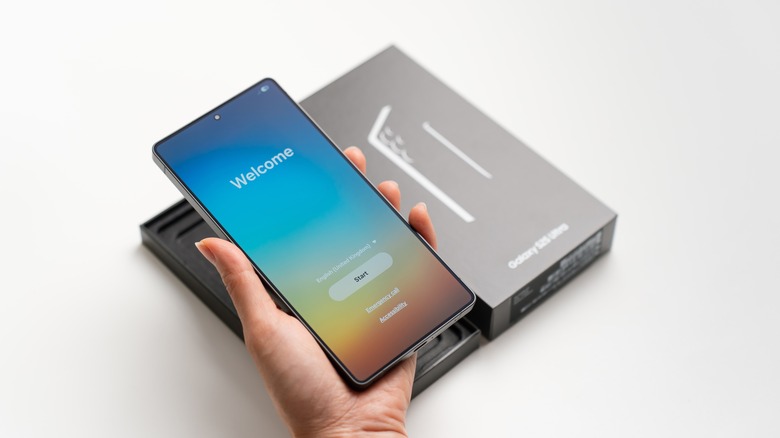
6 Ways Android Phones Will Change in 2026
The smartphone landscape is evolving at a breakneck pace, and the Android ecosystem is leading the charge. What was once a race for the highest resolution camera or the fastest processor is shifting toward a more holistic, intelligent, and sustainable user experience. As we look toward the near future, the gap between science fiction and reality is narrowing. By 2026, the rectangular slab of glass we carry in our pockets will undergo a transformation that redefines what a phone can do. Here are six ways Android phones are set to change dramatically in just a few short years.
1. The Era of Hyper-Personalized On-Device AI
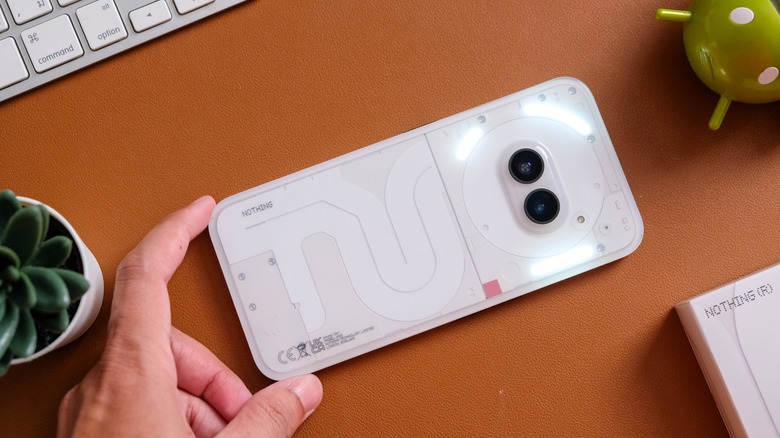
Artificial Intelligence is already present in our phones, but by 2026, it will move from the cloud to the palm of your hand. We are talking about the rise of “On-Device AI,” where your phone doesn’t just process commands but anticipates your needs without sending data to a server.
Beyond the Cloud
This shift will result in faster response times and enhanced privacy. Imagine an Android that acts less like a tool and more like a proactive assistant.
- Real-time Translation: Instant voice translation during calls without latency, working offline in remote areas.
- Generative Editing: Complex video and photo editing capabilities that happen in seconds, directly on the chipset.
- Predictive Automation: Your phone will automatically adjust settings based on your calendar, location, and habits before you even touch the screen.
2. A Revolution in Battery Technology
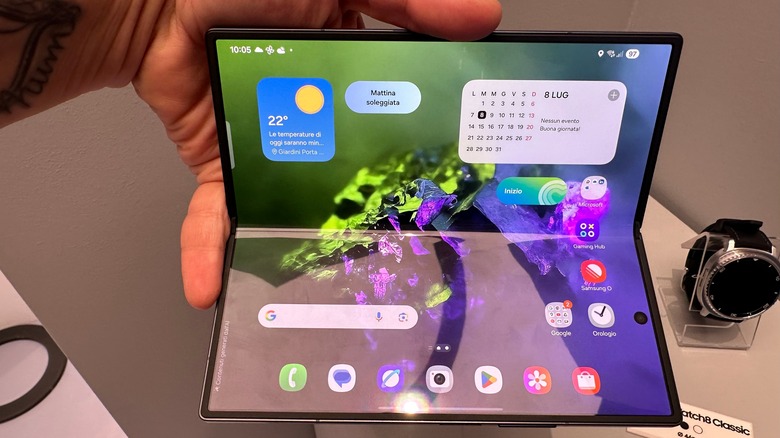
Battery anxiety has long been the bane of modern existence. However, 2026 promises a significant leap forward in how we power our devices. The standard lithium-ion battery is finally being challenged by new chemistries.
Solid-State Batteries
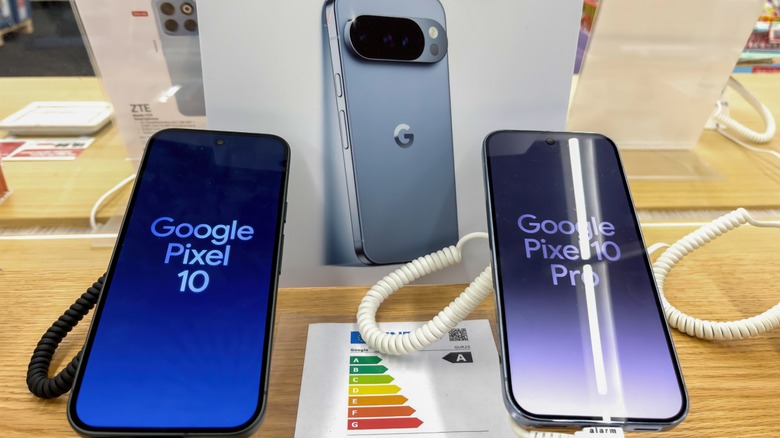
The industry is moving toward solid-state batteries, which replace the liquid electrolyte with a solid one. This technology offers higher energy density and improved safety.
- Extended Lifespan: Phones that easily last two to three days on a single charge.
- Faster Charging: Capabilities to charge from 0% to 100% in under 10 minutes without degrading battery health.
- Slimmer Designs: More power in a smaller space, allowing for lighter, sleeker devices.
3. The Mainstreaming of Flexible Form Factors
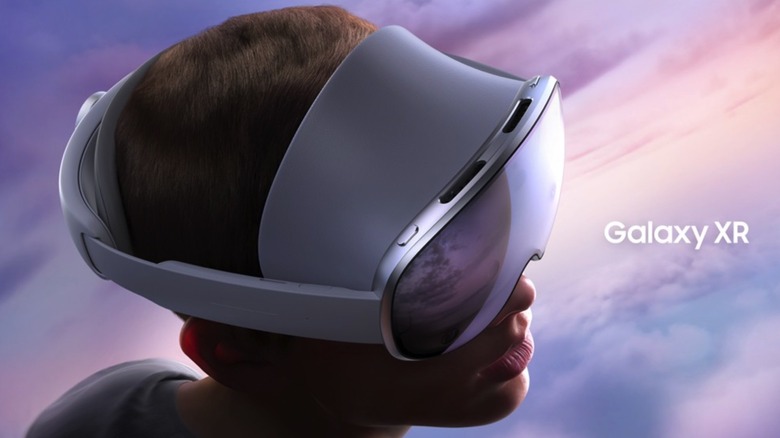
Foldable phones are no longer a novelty; they are becoming the new standard for premium Android devices. By 2026, the technology will have matured to the point where durability is no longer a concern, and prices will drop to mid-range levels.
Beyond the Fold
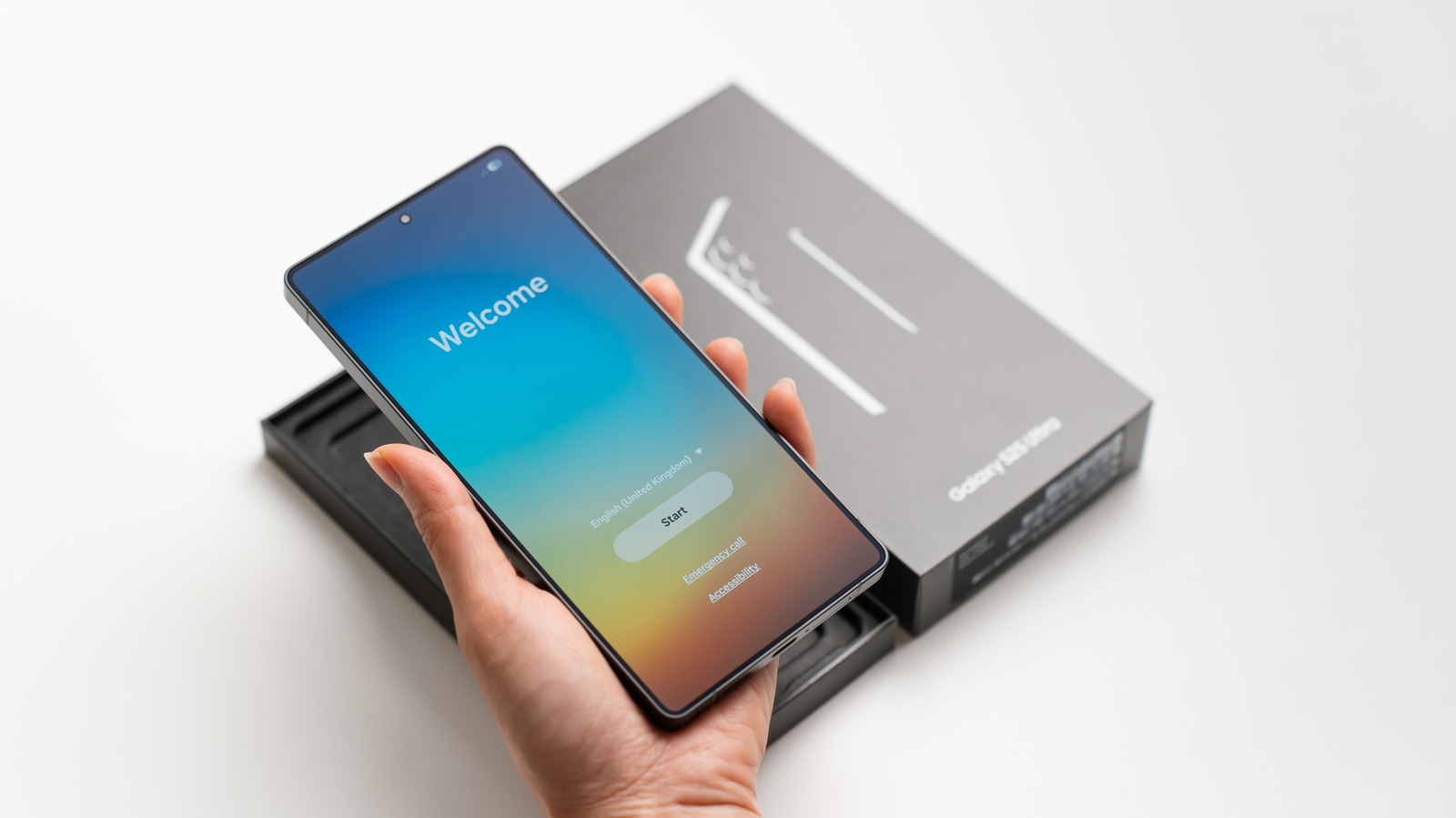
While foldables will be common, manufacturers are also experimenting with rollable and extendable screens that change the aspect ratio on demand.
- Seamless Hinges: Foldables that close completely flat without a visible crease.
- Self-Healing Screens: Materials that can repair minor scratches automatically.
- Multi-Tasking Power: Software optimized to use the larger canvas effectively for desktop-grade productivity.
4. Standardized Satellite Connectivity
Currently, satellite connectivity is a premium feature reserved for specific flagship models. By 2026, this will likely become a standard feature across the Android spectrum, ensuring you are never truly off the grid.
No More Dead Zones
This integration will go beyond emergency SOS texts. We are looking at basic data connectivity for messaging and weather updates in areas where cell towers are non-existent.
- Emergency Safety: Reliable contact with first responders regardless of location.
- Global Roaming: Reduced reliance on local SIM cards when traveling internationally.
- Location Tracking: Enhanced accuracy for hikers and adventurers in remote terrain.
5. Biometric Security Overhaul
Passwords and PINs are becoming obsolete. The future of Android security lies in multimodal biometric authentication that is harder to spoof and easier to use.
Continuous Authentication
Security won’t just be a one-time check when you unlock your phone. The device will continuously monitor user behavior to ensure identity.
- Under-Display Sensors: Ultrasonic fingerprint scanners that cover the entire screen, not just a small spot.
- Face ID Rivals: Advanced 3D facial recognition that works in total darkness and at extreme angles.
- Gait Analysis: The phone learning how you walk and locking if it detects movement that doesn’t match your pattern.
6. A Shift Toward Sustainability and Repairability
Consumer demand and regulatory pressure are forcing manufacturers to rethink the lifecycle of a smartphone. By 2026, the “throwaway culture” of electronics will be significantly challenged.
The Right to Repair
Android manufacturers are likely to adopt modular designs that make it easier for users to replace batteries, screens, and cameras themselves.
- Recycled Materials: Phones constructed almost entirely from 100% recycled rare earth metals and plastics.
- Software Longevity: A guarantee of 7 to 8 years of OS updates, extending the usable life of the device.
- Modular Components: The ability to upgrade specific hardware parts without buying a whole new phone.
Conclusion
The year 2026 isn’t as far away as it seems, and the trajectory of Android innovation is clear. We are moving toward devices that are smarter, more resilient, and more respectful of both the planet and the user. From the batteries that power them to the AI that drives them, Android phones are poised to become not just communication tools, but indispensable intelligent companions. As these technologies converge, the way we interact with the digital world will be fundamentally transformed.
Source: insidertechno.com


